
Content Marketing Posts
We Studied 200+ AI Answers and Found These 10 Content Types That Earn the Most Brand Mentions
AI brand mentions now influence which companies enter the buyer’s consideration set before a website visit happens. People ask ChatGPT, Perplexity, Gemini, Google AI Overviews, and Google AI Mode for recommendations long before opening a traditional search result. The brands named inside those answers gain visibility. The brands left out quietly lose demand. According to a 2025 BrightEdge study, ChatGPT mentions brands in 99.3% of eCommerce responses, while Google AI Overview mentions them in only 6.2%. That spread shows how much your platform mix matters when planning content for AI visibility. The opportunity is wide, yet most brands still write for traditional keyword rankings. Content marketing decides whether your brand earns these mentions. The right mix of blog posts, thought leadership pieces, and comparison content helps AI tools recognize your name as a trusted source in the category. Skip the work, and competitors fill the gap. This blog explains the ten content types behind almost every AI brand mention we see in 2026 audits. TL;DR AI tools mention brands they trust the most. Educational content builds early-stage brand recognition. Thought leadership shapes how AI defines categories. Comparison pages drive middle-funnel brand mentions. Original data improves AI citation share quickly. Consistent publishing builds long-term mention authority. Sentiment around your brand affects AI descriptions. We help brands publish citation-ready content assets. What Are AI Brand Mentions and Why Do They Matter? AI brand mentions are references to your company inside answers generated by ChatGPT, Perplexity, Gemini, Google AI Overviews, and Google AI Mode. They shape buyer perception during research and decision stages. A mention reaches the user even when no click ever happens. A mention names your brand inside the answer, while a citation links your domain as a supporting source. Both signals matter yet mentions carry stronger commercial weight because they deliver brand exposure with zero click dependency. AI tools transfer trust to the brands they name, so users read the mention as a vetted recommendation. Mentions reach buyers across every research stage, from category discovery to final shortlist comparisons. Brands that earn mention share enjoy a sharp visibility advantage that traditional analytics dashboards rarely capture cleanly. Why Do Brand Mentions Matter More Than Backlinks in AI Search? Brand mentions matter more than backlinks in AI search because AI tools weigh consensus across the open web. They check whether several independent sources agree on a brand. A page with mentions across many trusted domains earns higher visibility than one resting on backlink authority alone. Consensus signals beat single authority: AI tools cross-check several independent sources before naming a brand. A backlink from a single strong site cannot replace agreement from many sources covering your category. Sentiment shapes brand descriptions: AI tools describe brands using language drawn from source content. Pages that frame your personal or corporate brand with clear, positive context improve the words AI tools assign to your name. Mentions reach zero-click users: Most AI answers end without any click. A brand mentioned inside the answer still reaches the buyer. A backlink that goes unclicked delivers zero impact. Cross-platform coverage compounds value: A brand mentioned across reviews, blogs, and forums earns recognition across ChatGPT, Perplexity, and AI Overviews. Backlinks support one channel while mentions support every AI tool. Entity strength outranks domain authority: AI tools treat brands as entities tied to topics, examples, and outcomes. A high-domain-rating site without entity clarity loses to a smaller brand with consistent mention coverage. What Are the 10 Content Types That Help AI Tools Recognize Your Brand? When we studied 200+ AI answers, we found that 10 content types recurred alongside strong AI tool brand visibility. Each format gives AI systems a different reason to recognize, describe, cite, or recommend your brand. Educational blogs build category context, comparisons support decision-stage prompts, and research, reviews, and third-party mentions create the agreement signals needed for stronger AI brand mentions. 1. Educational Blogs Educational blogs explain core topics in your category. They define terms, clarify processes, and help users learn what they need before buying anything. AI tools rely on these blogs to build category context around your brand name. When your brand publishes deep educational content, AI tools associate your name with the topic itself. A SaaS brand that writes the clearest blog on “what is product-led growth” becomes a likely mention when users ask AI tools about the term across follow-up prompts. 2. Thought Leadership Articles Thought leadership articles share original insight, expert framing, and category opinions. They help AI tools position your brand as a category voice rather than another vendor competing for keyword rankings. A founder-led blog on industry shifts often earns more mentions than a polished company page ever does. AI tools value content with named authors, specific opinions, and verifiable expertise. Pages built around founder views or unique frameworks give AI tools a reason to cite your brand on shaping questions. 3. Comparison Content Comparison content shows how your product stacks against alternatives across price, features, and use cases. AI tools rely on these pages to answer middle-funnel prompts such as “best CRM for SaaS” or “alternatives to platform X” with confidence. A clean comparison page with tables, pricing notes, and use cases helps AI tools generate accurate answers. Brands that publish honest comparison content earn mentions even when prompted to name competitors. Skipping comparisons hands the category narrative to aggregator sites. 4. Service-Led Explainers Service-led explainers describe what your service does, who it helps, and how the process works. They give AI tools the context needed to recommend your brand for solution-focused prompts across discovery and decision stages. A clear service explainer covers scope, pricing logic, ideal client fit, and outcomes. AI tools use this content to match user prompts with relevant providers. Vague service pages lose recommendation share to those that explain the work plainly with specific deliverables and timelines. 5. Original Research and Data Reports Original research builds the strongest entity authority of any content format we track. AI tools cite
AI brand mentions now influence which companies enter the buyer’s consideration set before a website visit happens. People ask ChatGPT, Perplexity, Gemini, Google AI Overviews, and Google AI Mode for recommendations long before opening a traditional search result. The brands named inside those answers gain visibility. The brands left out quietly lose demand. According to a 2025 BrightEdge study, ChatGPT mentions brands in 99.3% of eCommerce responses, while Google AI Overview mentions them in only 6.2%. That spread shows how much your platform mix matters when planning content for AI visibility. The opportunity is wide, yet most brands still write for traditional keyword rankings. Content marketing decides whether your brand earns these mentions. The right mix of blog posts, thought leadership pieces, and comparison content helps AI tools recognize your name as a trusted source in the category. Skip the work, and competitors fill the gap. This blog explains the ten content types behind almost every AI brand mention we see in 2026 audits. TL;DR AI tools mention brands they trust the most. Educational content builds early-stage brand recognition. Thought leadership shapes how AI defines categories. Comparison pages drive middle-funnel brand mentions. Original data improves AI citation share quickly. Consistent publishing builds long-term mention authority. Sentiment around your brand affects AI descriptions. We help brands publish citation-ready content assets. What Are AI Brand Mentions and Why Do They Matter? AI brand mentions are references to your company inside answers generated by ChatGPT, Perplexity, Gemini, Google AI Overviews, and Google AI Mode. They shape buyer perception during research and decision stages. A mention reaches the user even when no click ever happens. A mention names your brand inside the answer, while a citation links your domain as a supporting source. Both signals matter yet mentions carry stronger commercial weight because they deliver brand exposure with zero click dependency. AI tools transfer trust to the brands they name, so users read the mention as a vetted recommendation. Mentions reach buyers across every research stage, from category discovery to final shortlist comparisons. Brands that earn mention share enjoy a sharp visibility advantage that traditional analytics dashboards rarely capture cleanly. Why Do Brand Mentions Matter More Than Backlinks in AI Search? Brand mentions matter more than backlinks in AI search because AI tools weigh consensus across the open web. They check whether several independent sources agree on a brand. A page with mentions across many trusted domains earns higher visibility than one resting on backlink authority alone. Consensus signals beat single authority: AI tools cross-check several independent sources before naming a brand. A backlink from a single strong site cannot replace agreement from many sources covering your category. Sentiment shapes brand descriptions: AI tools describe brands using language drawn from source content. Pages that frame your personal or corporate brand with clear, positive context improve the words AI tools assign to your name. Mentions reach zero-click users: Most AI answers end without any click. A brand mentioned inside the answer still reaches the buyer. A backlink that goes unclicked delivers zero impact. Cross-platform coverage compounds value: A brand mentioned across reviews, blogs, and forums earns recognition across ChatGPT, Perplexity, and AI Overviews. Backlinks support one channel while mentions support every AI tool. Entity strength outranks domain authority: AI tools treat brands as entities tied to topics, examples, and outcomes. A high-domain-rating site without entity clarity loses to a smaller brand with consistent mention coverage. What Are the 10 Content Types That Help AI Tools Recognize Your Brand? When we studied 200+ AI answers, we found that 10 content types recurred alongside strong AI tool brand visibility. Each format gives AI systems a different reason to recognize, describe, cite, or recommend your brand. Educational blogs build category context, comparisons support decision-stage prompts, and research, reviews, and third-party mentions create the agreement signals needed for stronger AI brand mentions. 1. Educational Blogs Educational blogs explain core topics in your category. They define terms, clarify processes, and help users learn what they need before buying anything. AI tools rely on these blogs to build category context around your brand name. When your brand publishes deep educational content, AI tools associate your name with the topic itself. A SaaS brand that writes the clearest blog on “what is product-led growth” becomes a likely mention when users ask AI tools about the term across follow-up prompts. 2. Thought Leadership Articles Thought leadership articles share original insight, expert framing, and category opinions. They help AI tools position your brand as a category voice rather than another vendor competing for keyword rankings. A founder-led blog on industry shifts often earns more mentions than a polished company page ever does. AI tools value content with named authors, specific opinions, and verifiable expertise. Pages built around founder views or unique frameworks give AI tools a reason to cite your brand on shaping questions. 3. Comparison Content Comparison content shows how your product stacks against alternatives across price, features, and use cases. AI tools rely on these pages to answer middle-funnel prompts such as “best CRM for SaaS” or “alternatives to platform X” with confidence. A clean comparison page with tables, pricing notes, and use cases helps AI tools generate accurate answers. Brands that publish honest comparison content earn mentions even when prompted to name competitors. Skipping comparisons hands the category narrative to aggregator sites. 4. Service-Led Explainers Service-led explainers describe what your service does, who it helps, and how the process works. They give AI tools the context needed to recommend your brand for solution-focused prompts across discovery and decision stages. A clear service explainer covers scope, pricing logic, ideal client fit, and outcomes. AI tools use this content to match user prompts with relevant providers. Vague service pages lose recommendation share to those that explain the work plainly with specific deliverables and timelines. 5. Original Research and Data Reports Original research builds the strongest entity authority of any content format we track. AI tools cite
Why Business Leaders and Executives Require the Best Ghostwriting Services in 2026
You have built something meaningful. You have solved problems others could not, developed frameworks that deliver results, and accumulated insights that deserve a wider audience. The challenge is that writing about all of it takes time you do not have. Professional ghostwriting services in India solve exactly that problem. A skilled ghostwriter captures your ideas, your voice, and your perspective, then transforms them into polished content that you publish under your own name. The ghostwriter stays behind the scenes. The authority, the credibility, and every benefit of authorship belong entirely to you. The demand for a reliable ghostwriting agency in India has accelerated sharply. In fact, the global ghostwriting market is projected to reach $2.23 billion by 2031, driven by business leaders, executives, and entrepreneurs who recognize that published expertise is a competitive advantage. According to one of our ghostwriters with over nine years of experience working with founders, “An estimated 60% to 80% of business and self-help nonfiction books published today involve the help of a professional collaborator.” Understanding how this works and what it delivers is the first step toward using it strategically. What Do Professional Ghostwriting Services Include? Professional ghostwriting services in India cover a broad range of written content types, all produced by a skilled writer who remains uncredited while the client retains full authorship rights and ownership. Business ghostwriting services include the following core deliverables: Business Books and Full-Length Manuscripts This is the most recognized application of professional ghostwriting services. A ghostwriter works with a founder, executive, or subject-matter expert to produce a full-length business book that codifies their methodology, leadership philosophy, or career experience. The process typically requires six to nine months, a series of recorded interviews, and multiple revision rounds to produce a manuscript that genuinely sounds like the client. Thought Leadership Articles and LinkedIn Content For executives who want consistent visibility on LinkedIn or in industry publications, business ghostwriting services in India cover regularly published articles, opinion pieces, and LinkedIn posts. The ghostwriter conducts monthly or bi-weekly sessions with the client to capture fresh ideas and perspectives, then produces polished content at a frequency the client could not sustain alone. Speeches, Keynotes, and Presentation Scripts Many senior leaders rely on professional ghostwriting services for the written foundation of their public speaking presence. A ghostwriter who understands an executive’s voice and positioning produces speech scripts, conference keynotes, and panel presentation outlines that communicate with precision under the pressure of a live audience setting. White Papers, Reports, and Long-Form Thought Leadership Business ghostwriting services for organizations frequently include white papers that establish authority in a specific domain, annual reports that tell the company’s story compellingly, and research-backed reports that generate media attention and lead generation for the business. Newsletters and Ongoing Content Programs Many executives and consultants maintain regular newsletters and content programs that position them as authoritative sources in their field. A ghostwriting partner manages the entire production process: ideation, writing, editing, and publication, while the client focuses on the conversations and decisions their role demands. What are the Benefits of Professional Ghostwriting Services for Business Leaders and Executives? A professional ghostwriting agency in India meets a specific and practical need. Executives have the expertise worth publishing, but rarely have the time to write it. A published business book or a consistent stream of thought leadership content represents months of focused writing effort that a leadership role almost never allows. The value is concrete and well-documented: Thought leadership content drives inbound business: According to a leading B2B Thought Leadership Impact Report, more than 75% of decision-makers say that a piece of thought leadership content has led them to research a product or service they were not previously considering. Professional ghostwriting services turn your expertise into a continuous source of inbound commercial interest by establishing your personal brand. A published book changes your professional position permanently: A book with your name on it becomes a credential that no website, social media following, or business card can replicate. Executives who avail ghostwriting services in India and internationally report that a published business book consistently generates speaking invitations, media coverage, consulting contracts, and partnership opportunities that would not otherwise exist. Consistent content builds compounding authority: A single article is published once. A regular content program sustained by business ghostwriting services, builds an audience that grows and compounds over months and years. This reduces client acquisition costs and strengthens pricing power simultaneously. Your time has a high cost: For a CEO or founder whose time is valued at several thousand dollars per hour, spending 40 hours writing a single chapter makes no financial sense. Delegating that writing to a skilled professional while contributing two hours of interview time produces the same intellectual output at a fraction of the true cost. What Is the Step-by-Step Process for Writing a Business Book with a Professional Ghostwriter? Writing a business book with a professional ghostwriting agency in India follows a structured, collaborative process. Most projects move through seven defined phases from discovery to final manuscript delivery. This requires approximately two hours of client time per week. Phase One: Discovery and Project Scoping The engagement begins with a 60-to-90-minute discovery session. The ghostwriter and client discuss the book’s purpose, target audience, key messages, desired outcomes, and publication timeline. This session also determines the overall scope, word count range, and payment structure before any writing begins. Phase Two: NDA Signing and Contract Execution Before any proprietary information is shared, both parties sign a non-disclosure agreement and a formal contract. The contract specifies ownership of the manuscript, payment milestones, revision rounds included in the fee, and the ghostwriter’s commitment to confidentiality. You retain full intellectual property rights to the finished work. Phase Three: Deep-Dive Interview Sessions This is the most important phase of any ghostwriting engagement. The ghostwriter conducts a series of recorded interviews — typically eight to fifteen hours of conversation spread across multiple sessions. These sessions are not simple Q&A exchanges. A skilled ghostwriter uses
You have built something meaningful. You have solved problems others could not, developed frameworks that deliver results, and accumulated insights that deserve a wider audience. The challenge is that writing about all of it takes time you do not have. Professional ghostwriting services in India solve exactly that problem. A skilled ghostwriter captures your ideas, your voice, and your perspective, then transforms them into polished content that you publish under your own name. The ghostwriter stays behind the scenes. The authority, the credibility, and every benefit of authorship belong entirely to you. The demand for a reliable ghostwriting agency in India has accelerated sharply. In fact, the global ghostwriting market is projected to reach $2.23 billion by 2031, driven by business leaders, executives, and entrepreneurs who recognize that published expertise is a competitive advantage. According to one of our ghostwriters with over nine years of experience working with founders, “An estimated 60% to 80% of business and self-help nonfiction books published today involve the help of a professional collaborator.” Understanding how this works and what it delivers is the first step toward using it strategically. What Do Professional Ghostwriting Services Include? Professional ghostwriting services in India cover a broad range of written content types, all produced by a skilled writer who remains uncredited while the client retains full authorship rights and ownership. Business ghostwriting services include the following core deliverables: Business Books and Full-Length Manuscripts This is the most recognized application of professional ghostwriting services. A ghostwriter works with a founder, executive, or subject-matter expert to produce a full-length business book that codifies their methodology, leadership philosophy, or career experience. The process typically requires six to nine months, a series of recorded interviews, and multiple revision rounds to produce a manuscript that genuinely sounds like the client. Thought Leadership Articles and LinkedIn Content For executives who want consistent visibility on LinkedIn or in industry publications, business ghostwriting services in India cover regularly published articles, opinion pieces, and LinkedIn posts. The ghostwriter conducts monthly or bi-weekly sessions with the client to capture fresh ideas and perspectives, then produces polished content at a frequency the client could not sustain alone. Speeches, Keynotes, and Presentation Scripts Many senior leaders rely on professional ghostwriting services for the written foundation of their public speaking presence. A ghostwriter who understands an executive’s voice and positioning produces speech scripts, conference keynotes, and panel presentation outlines that communicate with precision under the pressure of a live audience setting. White Papers, Reports, and Long-Form Thought Leadership Business ghostwriting services for organizations frequently include white papers that establish authority in a specific domain, annual reports that tell the company’s story compellingly, and research-backed reports that generate media attention and lead generation for the business. Newsletters and Ongoing Content Programs Many executives and consultants maintain regular newsletters and content programs that position them as authoritative sources in their field. A ghostwriting partner manages the entire production process: ideation, writing, editing, and publication, while the client focuses on the conversations and decisions their role demands. What are the Benefits of Professional Ghostwriting Services for Business Leaders and Executives? A professional ghostwriting agency in India meets a specific and practical need. Executives have the expertise worth publishing, but rarely have the time to write it. A published business book or a consistent stream of thought leadership content represents months of focused writing effort that a leadership role almost never allows. The value is concrete and well-documented: Thought leadership content drives inbound business: According to a leading B2B Thought Leadership Impact Report, more than 75% of decision-makers say that a piece of thought leadership content has led them to research a product or service they were not previously considering. Professional ghostwriting services turn your expertise into a continuous source of inbound commercial interest by establishing your personal brand. A published book changes your professional position permanently: A book with your name on it becomes a credential that no website, social media following, or business card can replicate. Executives who avail ghostwriting services in India and internationally report that a published business book consistently generates speaking invitations, media coverage, consulting contracts, and partnership opportunities that would not otherwise exist. Consistent content builds compounding authority: A single article is published once. A regular content program sustained by business ghostwriting services, builds an audience that grows and compounds over months and years. This reduces client acquisition costs and strengthens pricing power simultaneously. Your time has a high cost: For a CEO or founder whose time is valued at several thousand dollars per hour, spending 40 hours writing a single chapter makes no financial sense. Delegating that writing to a skilled professional while contributing two hours of interview time produces the same intellectual output at a fraction of the true cost. What Is the Step-by-Step Process for Writing a Business Book with a Professional Ghostwriter? Writing a business book with a professional ghostwriting agency in India follows a structured, collaborative process. Most projects move through seven defined phases from discovery to final manuscript delivery. This requires approximately two hours of client time per week. Phase One: Discovery and Project Scoping The engagement begins with a 60-to-90-minute discovery session. The ghostwriter and client discuss the book’s purpose, target audience, key messages, desired outcomes, and publication timeline. This session also determines the overall scope, word count range, and payment structure before any writing begins. Phase Two: NDA Signing and Contract Execution Before any proprietary information is shared, both parties sign a non-disclosure agreement and a formal contract. The contract specifies ownership of the manuscript, payment milestones, revision rounds included in the fee, and the ghostwriter’s commitment to confidentiality. You retain full intellectual property rights to the finished work. Phase Three: Deep-Dive Interview Sessions This is the most important phase of any ghostwriting engagement. The ghostwriter conducts a series of recorded interviews — typically eight to fifteen hours of conversation spread across multiple sessions. These sessions are not simple Q&A exchanges. A skilled ghostwriter uses
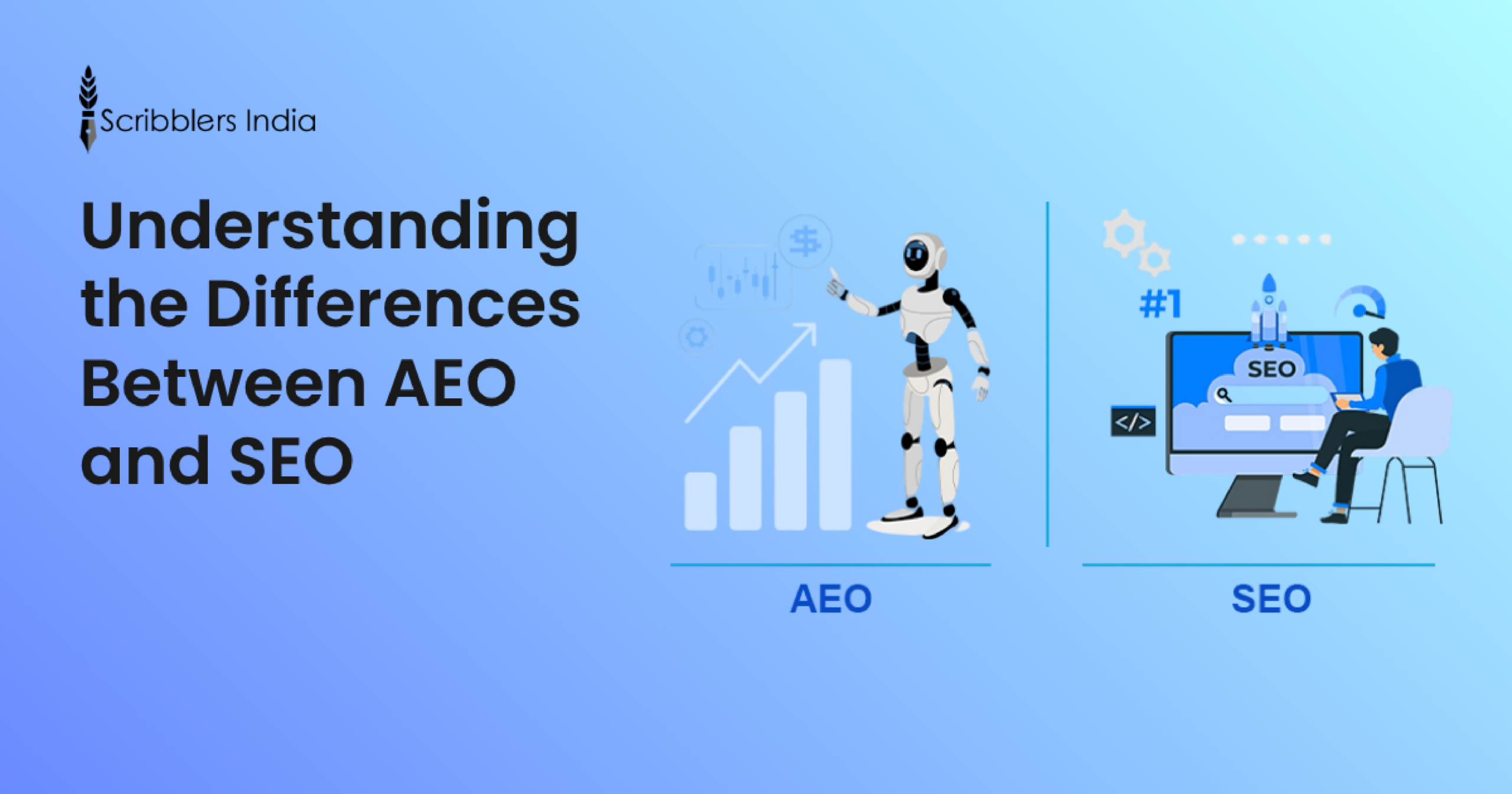
What are the Differences Between AEO vs SEO? (or Do You Need Both?)
Your website ranks on page one of Google. Traffic is solid. Then something shifts. Rankings hold, yet organic clicks drop. You investigate and find that Google is answering your audience’s questions before they ever reach your site. This scenario is playing out across industries in 2026, and it describes why the AEO vs SEO conversation has moved from theoretical to urgent. According to industry reports, 69% of Google searches now end without a click, up from 56% just 12 months earlier. This 13-point jump correlates directly with the expansion of Google AI Overviews, which extracts answers from multiple sources and delivers them at the top of the results page. For every 1,000 searches, only 360 clicks reach the open web. Traditional search engine optimization gets your content into the index. Answer engine optimization helps your content appear in the answer. The difference between AEO vs SEO is not about choosing one over the other. It is about understanding how each works, where they overlap, and how to run both to capture visibility across every layer of modern search. What Is AEO and What Does It Mean in Digital Marketing? Answer Engine Optimization (AEO) refers to the practice of structuring content so that AI-powered platforms, voice assistants, and AI-generated search features can extract, synthesize, and deliver it as a direct response to a user’s query. AEO in digital marketing emerged as a direct response to the rise of platforms like Google AI Overviews, ChatGPT, Perplexity, and voice assistants that answer user questions without displaying a ranked list of links. Rather than competing for a position on a results page, brands optimizing for AEO compete to become the cited, trusted source within the answer itself. The core objective of answer engine optimization vs search engine optimization comes down to this distinction: SEO optimizes for being found through a link. AEO optimizes for being used as the answer. Both forms of visibility have commercial value, but they operate through fundamentally different mechanisms and require different content structures to achieve. What Is the Difference Between AEO and SEO in Practice? The difference between AEO and SEO lies in their target output, success metrics, content format requirements, and the platforms they optimize for. SEO aims to rank a page. AEO aims to become the answer that a platform generates when a user asks a relevant question. Here is how the AEO vs SEO distinction plays out across the five dimensions that matter most to a content strategy: Target Platform and Output SEO targets traditional search engines, primarily Google and Bing, where the output is a ranked list of links that users browse and click. AEO vs SEO in terms of platform: AEO targets AI-powered answer surfaces, including Google AI Overviews, ChatGPT, Perplexity, Amazon Alexa, and Apple Siri. Here, the output is a synthesized response that may or may not include a clickable attribution. A business that appears in an AI Overview earns visibility even when the user never clicks through to the site. Success Metrics SEO success is measured through ranking positions, organic traffic volume, click-through rates, and keyword visibility scores. AEO success is measured through: Featured snippet wins AI Overview citation frequency Voice search answer inclusion People Also Ask appearances Brand mention volume across AI-generated responses Businesses moving into AEO need a measurement framework that captures answer-layer visibility rather than relying on website traffic as the sole indicator of search performance. Content Format Requirements SEO rewards comprehensive, keyword-rich, long-form content that covers a topic with enough depth and breadth to satisfy a range of search queries. The difference between AEO and SEO in content format is significant. AEO rewards concise, direct, question-answering paragraphs of 40 to 60 words that allow an AI system to extract a complete answer from a single content block. The structure that works best for AEO uses question-based headings followed immediately by a complete, standalone answer. This is the exact format that AI Overviews and voice assistants extract and deliver. Optimization Signals SEO optimization relies on keyword research, backlink building, metadata refinement, internal linking, site speed, and Core Web Vitals. The answer engine optimization vs search engine optimization comparison on signals indicates that AEO optimization relies on: Structured data markup (FAQPage, HowTo, Organization schema) E-E-A-T signals, including author credentials and citing original research Entity clarity that allows AI systems to understand exactly what a brand is, what it does, and who it serves. Relationship to Click-Through Traffic SEO is fundamentally traffic-oriented. Its commercial logic depends on users clicking through to the website where conversion opportunities exist. When it comes to AEO vs SEO on traffic indicates that AEO operates partly outside the click economy. When a brand’s content is cited in an AI Overview or read aloud by a voice assistant, it earns brand awareness and authority with an audience that may never visit the site during that session. This awareness-level visibility influences direct search behavior, branded queries, and offline purchase decisions in ways that click-based analytics do not capture. How Does SEO Work in 2026? SEO helps search engines discover, index, and rank your content for relevant queries. It remains essential in 2026 because the majority of commercial, transactional, and navigational queries continue to drive website clicks, and because strong SEO is the technical foundation AEO builds on. SEO operates across three interconnected disciplines. Technical SEO ensures that search engines can crawl, index, and understand your site structure. It is done through fast load times, clean URL architecture, proper robots.txt configuration, and schema markup. On-page SEO aligns your content with the specific queries your audience uses through keyword research, heading structure, meta descriptions, and internal linking. Off-page SEO builds domain authority, which signals to search engines that your site is a credible, trusted source through backlink acquisition and brand mentions across the web. Is SEO Still Relevant in 2026? The commercial case for continued SEO investment is clear. According to a recent analysis, 36% of searches still result in clicks. For transactional queries, where someone
Your website ranks on page one of Google. Traffic is solid. Then something shifts. Rankings hold, yet organic clicks drop. You investigate and find that Google is answering your audience’s questions before they ever reach your site. This scenario is playing out across industries in 2026, and it describes why the AEO vs SEO conversation has moved from theoretical to urgent. According to industry reports, 69% of Google searches now end without a click, up from 56% just 12 months earlier. This 13-point jump correlates directly with the expansion of Google AI Overviews, which extracts answers from multiple sources and delivers them at the top of the results page. For every 1,000 searches, only 360 clicks reach the open web. Traditional search engine optimization gets your content into the index. Answer engine optimization helps your content appear in the answer. The difference between AEO vs SEO is not about choosing one over the other. It is about understanding how each works, where they overlap, and how to run both to capture visibility across every layer of modern search. What Is AEO and What Does It Mean in Digital Marketing? Answer Engine Optimization (AEO) refers to the practice of structuring content so that AI-powered platforms, voice assistants, and AI-generated search features can extract, synthesize, and deliver it as a direct response to a user’s query. AEO in digital marketing emerged as a direct response to the rise of platforms like Google AI Overviews, ChatGPT, Perplexity, and voice assistants that answer user questions without displaying a ranked list of links. Rather than competing for a position on a results page, brands optimizing for AEO compete to become the cited, trusted source within the answer itself. The core objective of answer engine optimization vs search engine optimization comes down to this distinction: SEO optimizes for being found through a link. AEO optimizes for being used as the answer. Both forms of visibility have commercial value, but they operate through fundamentally different mechanisms and require different content structures to achieve. What Is the Difference Between AEO and SEO in Practice? The difference between AEO and SEO lies in their target output, success metrics, content format requirements, and the platforms they optimize for. SEO aims to rank a page. AEO aims to become the answer that a platform generates when a user asks a relevant question. Here is how the AEO vs SEO distinction plays out across the five dimensions that matter most to a content strategy: Target Platform and Output SEO targets traditional search engines, primarily Google and Bing, where the output is a ranked list of links that users browse and click. AEO vs SEO in terms of platform: AEO targets AI-powered answer surfaces, including Google AI Overviews, ChatGPT, Perplexity, Amazon Alexa, and Apple Siri. Here, the output is a synthesized response that may or may not include a clickable attribution. A business that appears in an AI Overview earns visibility even when the user never clicks through to the site. Success Metrics SEO success is measured through ranking positions, organic traffic volume, click-through rates, and keyword visibility scores. AEO success is measured through: Featured snippet wins AI Overview citation frequency Voice search answer inclusion People Also Ask appearances Brand mention volume across AI-generated responses Businesses moving into AEO need a measurement framework that captures answer-layer visibility rather than relying on website traffic as the sole indicator of search performance. Content Format Requirements SEO rewards comprehensive, keyword-rich, long-form content that covers a topic with enough depth and breadth to satisfy a range of search queries. The difference between AEO and SEO in content format is significant. AEO rewards concise, direct, question-answering paragraphs of 40 to 60 words that allow an AI system to extract a complete answer from a single content block. The structure that works best for AEO uses question-based headings followed immediately by a complete, standalone answer. This is the exact format that AI Overviews and voice assistants extract and deliver. Optimization Signals SEO optimization relies on keyword research, backlink building, metadata refinement, internal linking, site speed, and Core Web Vitals. The answer engine optimization vs search engine optimization comparison on signals indicates that AEO optimization relies on: Structured data markup (FAQPage, HowTo, Organization schema) E-E-A-T signals, including author credentials and citing original research Entity clarity that allows AI systems to understand exactly what a brand is, what it does, and who it serves. Relationship to Click-Through Traffic SEO is fundamentally traffic-oriented. Its commercial logic depends on users clicking through to the website where conversion opportunities exist. When it comes to AEO vs SEO on traffic indicates that AEO operates partly outside the click economy. When a brand’s content is cited in an AI Overview or read aloud by a voice assistant, it earns brand awareness and authority with an audience that may never visit the site during that session. This awareness-level visibility influences direct search behavior, branded queries, and offline purchase decisions in ways that click-based analytics do not capture. How Does SEO Work in 2026? SEO helps search engines discover, index, and rank your content for relevant queries. It remains essential in 2026 because the majority of commercial, transactional, and navigational queries continue to drive website clicks, and because strong SEO is the technical foundation AEO builds on. SEO operates across three interconnected disciplines. Technical SEO ensures that search engines can crawl, index, and understand your site structure. It is done through fast load times, clean URL architecture, proper robots.txt configuration, and schema markup. On-page SEO aligns your content with the specific queries your audience uses through keyword research, heading structure, meta descriptions, and internal linking. Off-page SEO builds domain authority, which signals to search engines that your site is a credible, trusted source through backlink acquisition and brand mentions across the web. Is SEO Still Relevant in 2026? The commercial case for continued SEO investment is clear. According to a recent analysis, 36% of searches still result in clicks. For transactional queries, where someone
How Does A Personal Branding Agency Work: Creating a Purpose-Driven Personal Brand
Your expertise is real, track record is solid and the results speak for themselves. The problem is that none of that matters if the right people cannot find you, understand what you stand for, or trust your authority in a crowded professional landscape. A personal branding agency bridges the gap between the professional you are and the expert the market recognizes. According to recent industry research, 89% of decision-makers say thought leadership increases their perception of an organization. Moreover, 75% of buyers say what they read from leaders on LinkedIn directly influences which vendors they shortlist. When your name is associated with a clear area of expertise and a consistent body of content, opportunities move toward you instead of requiring constant outbound effort. That is the commercial logic behind investing in a personal branding agency and why demand for them has accelerated sharply across every industry. What Services Does a Personal Branding Agency Offer? A professional personal branding agency encompasses the full set of strategic and creative activities that build, communicate, and sustain a professional’s public identity and reputation across digital platforms. The scope varies by provider, goal, and seniority level. At the core, the scope of personal branding services includes five interconnected disciplines: Brand Strategy and Positioning This is the foundation layer. A branding strategist works with you to define your unique value proposition, identify your target audience, and articulate the specific professional territory you want to own. Without a clear positioning, every piece of content you publish pulls in a different direction. The strategy phase defines what you stand for, who you serve, and why your perspective matters in your field. Profile and Content Optimization for LinkedIn LinkedIn is where professional discovery happens at scale. LinkedIn personal branding includes a full profile rewrite, a positioning-led headline, an About section that tells your story compellingly, and a Featured section that showcases your most relevant work. Beyond the profile, a sustained LinkedIn content strategy: publishing original insights two to four times weekly, builds the algorithmic visibility and audience trust that converts profile views into inbound opportunities. Thought Leadership Content Writing This is where expertise becomes visible at scale. Thought leadership content writing covers ghostwritten LinkedIn articles, industry opinion pieces, bylined contributions to publications, and long-form blog posts that demonstrate your knowledge on the topics your audience cares about most. According to the Edelman-LinkedIn B2B Thought Leadership Impact Report, 52% of decision-makers and 54% of C-suite executives spend one or more hours per week reading thought leadership content. Showing up consistently in that reading time is one of the most direct routes to building deal-generating authority. Ghostwriting and Executive Content Production Many senior professionals have strong ideas and extensive experience but limited time to write. Professional ghostwriting services give them a professional voice that captures their genuine thinking and publishes it at the frequency needed to build an audience. From LinkedIn posts to full-length articles, books, and newsletters, a skilled ghostwriter translates an executive’s insights into polished, publishable content that consistently sounds like the person it represents. Reputation Management and Digital Footprint Optimization Services of a personal branding agency also include managing what appears when someone searches your name. This covers suppressing outdated or irrelevant results, ensuring all platform profiles carry consistent, current messaging, and building a positive digital footprint through authoritative publications and media placements. For executives whose names are their business cards, reputation management is a baseline strategic priority rather than an optional add-on. Why Do Professionals Need a Personal Branding Agency in 2026? Personal branding services from an expert agency matter more in 2026 than they did five years ago. This is happening because the environment in which professionals compete for attention, trust, and opportunities has fundamentally changed. The evidence is clear and the stakes are concrete. Decision-makers research you before they contact you: 85% of hiring managers report that a professional’s personal brand influences their decision, according to LinkedIn data. When potential clients, investors, or collaborators search your name and find an outdated LinkedIn profile with minimal activity, that search creates doubt rather than confidence in your capabilities. Thought leadership directly drives revenue: More than 75% of decision-makers say that a piece of thought leadership content has led them to research a product or service they were not previously considering. That is a direct lead generation function that consistent content publishing performs on your behalf around the clock. Trust now resides in people, not brands: 63% of people trust credible individual voices more than corporate brands. Professionals who build a visible, authentic personal brand operate with a trust advantage that no amount of company advertising can manufacture. AI-powered search is changing discovery: Platforms like ChatGPT, Perplexity, and Google AI Overviews now surface authoritative individuals alongside organizations in response to professional queries. Professionals who publish original content consistently are already seeing their names appear in AI-generated recommendations and comparisons. Those who do not publish remain invisible in this new discovery layer. What Is the Difference Between Personal Branding and Executive Branding for CEOs and Founders? Personal branding and executive branding share the same foundation. But they operate at different levels of strategic complexity and organizational impact. Understanding the distinction helps leaders invest in the right personal branding agency for their actual goals. Personal branding focuses on the individual’s career advancement, professional reputation, and audience growth. It works for professionals at different career stages. This ranges from a rising consultant building their first online presence to a mid-level manager transitioning into a new specialty. The primary objective is personal visibility, credibility, and career opportunity. Executive branding, or what many call a personal branding agency for executives, extends that objective to the organizational level. When a CEO, founder, or C-suite leader builds their brand, the impact affects the business itself. Investors evaluate leadership before they evaluate a company. Clients trust the person behind the service before they trust the company’s website. H3: Personal Branding vs Executive Branding: Comparative
Your expertise is real, track record is solid and the results speak for themselves. The problem is that none of that matters if the right people cannot find you, understand what you stand for, or trust your authority in a crowded professional landscape. A personal branding agency bridges the gap between the professional you are and the expert the market recognizes. According to recent industry research, 89% of decision-makers say thought leadership increases their perception of an organization. Moreover, 75% of buyers say what they read from leaders on LinkedIn directly influences which vendors they shortlist. When your name is associated with a clear area of expertise and a consistent body of content, opportunities move toward you instead of requiring constant outbound effort. That is the commercial logic behind investing in a personal branding agency and why demand for them has accelerated sharply across every industry. What Services Does a Personal Branding Agency Offer? A professional personal branding agency encompasses the full set of strategic and creative activities that build, communicate, and sustain a professional’s public identity and reputation across digital platforms. The scope varies by provider, goal, and seniority level. At the core, the scope of personal branding services includes five interconnected disciplines: Brand Strategy and Positioning This is the foundation layer. A branding strategist works with you to define your unique value proposition, identify your target audience, and articulate the specific professional territory you want to own. Without a clear positioning, every piece of content you publish pulls in a different direction. The strategy phase defines what you stand for, who you serve, and why your perspective matters in your field. Profile and Content Optimization for LinkedIn LinkedIn is where professional discovery happens at scale. LinkedIn personal branding includes a full profile rewrite, a positioning-led headline, an About section that tells your story compellingly, and a Featured section that showcases your most relevant work. Beyond the profile, a sustained LinkedIn content strategy: publishing original insights two to four times weekly, builds the algorithmic visibility and audience trust that converts profile views into inbound opportunities. Thought Leadership Content Writing This is where expertise becomes visible at scale. Thought leadership content writing covers ghostwritten LinkedIn articles, industry opinion pieces, bylined contributions to publications, and long-form blog posts that demonstrate your knowledge on the topics your audience cares about most. According to the Edelman-LinkedIn B2B Thought Leadership Impact Report, 52% of decision-makers and 54% of C-suite executives spend one or more hours per week reading thought leadership content. Showing up consistently in that reading time is one of the most direct routes to building deal-generating authority. Ghostwriting and Executive Content Production Many senior professionals have strong ideas and extensive experience but limited time to write. Professional ghostwriting services give them a professional voice that captures their genuine thinking and publishes it at the frequency needed to build an audience. From LinkedIn posts to full-length articles, books, and newsletters, a skilled ghostwriter translates an executive’s insights into polished, publishable content that consistently sounds like the person it represents. Reputation Management and Digital Footprint Optimization Services of a personal branding agency also include managing what appears when someone searches your name. This covers suppressing outdated or irrelevant results, ensuring all platform profiles carry consistent, current messaging, and building a positive digital footprint through authoritative publications and media placements. For executives whose names are their business cards, reputation management is a baseline strategic priority rather than an optional add-on. Why Do Professionals Need a Personal Branding Agency in 2026? Personal branding services from an expert agency matter more in 2026 than they did five years ago. This is happening because the environment in which professionals compete for attention, trust, and opportunities has fundamentally changed. The evidence is clear and the stakes are concrete. Decision-makers research you before they contact you: 85% of hiring managers report that a professional’s personal brand influences their decision, according to LinkedIn data. When potential clients, investors, or collaborators search your name and find an outdated LinkedIn profile with minimal activity, that search creates doubt rather than confidence in your capabilities. Thought leadership directly drives revenue: More than 75% of decision-makers say that a piece of thought leadership content has led them to research a product or service they were not previously considering. That is a direct lead generation function that consistent content publishing performs on your behalf around the clock. Trust now resides in people, not brands: 63% of people trust credible individual voices more than corporate brands. Professionals who build a visible, authentic personal brand operate with a trust advantage that no amount of company advertising can manufacture. AI-powered search is changing discovery: Platforms like ChatGPT, Perplexity, and Google AI Overviews now surface authoritative individuals alongside organizations in response to professional queries. Professionals who publish original content consistently are already seeing their names appear in AI-generated recommendations and comparisons. Those who do not publish remain invisible in this new discovery layer. What Is the Difference Between Personal Branding and Executive Branding for CEOs and Founders? Personal branding and executive branding share the same foundation. But they operate at different levels of strategic complexity and organizational impact. Understanding the distinction helps leaders invest in the right personal branding agency for their actual goals. Personal branding focuses on the individual’s career advancement, professional reputation, and audience growth. It works for professionals at different career stages. This ranges from a rising consultant building their first online presence to a mid-level manager transitioning into a new specialty. The primary objective is personal visibility, credibility, and career opportunity. Executive branding, or what many call a personal branding agency for executives, extends that objective to the organizational level. When a CEO, founder, or C-suite leader builds their brand, the impact affects the business itself. Investors evaluate leadership before they evaluate a company. Clients trust the person behind the service before they trust the company’s website. H3: Personal Branding vs Executive Branding: Comparative

Online Reputation Management
Every search result, review, social media post, and news article that mentions a brand or professional contributes to how the world perceives them. Online Reputation Management plays a crucial role in controlling that digital narrative. When that body of digital content tells the right story, it attracts clients, partners, and opportunities. When it tells the wrong story, it costs them. Online reputation management (ORM) is the practice of monitoring, influencing, and improving how a brand or individual appears across digital platforms. In 2025, with over 93% of consumers reading online reviews before making a purchase, ORM has moved from a reactive crisis tool to a proactive, ongoing strategic priority for every organization and professional with a digital presence. What Is Online Reputation Management and How Does It Work? Online reputation management is the process of building, monitoring, and influencing how a person or organization is perceived across search engines, social media platforms, review sites, and news coverage. It encompasses both the positive content a brand actively creates and the negative or neutral content it must address, suppress, or counterbalance. ORM works across three parallel tracks. Proactive ORM involves publishing high-quality content, gathering positive reviews, and building a strong digital presence before any reputational challenge arises. Reactive ORM involves responding to negative feedback, correcting misinformation, and managing the narrative during a reputational crisis. Monitoring bridges both tracks by providing continuous visibility into what is being always said across all channels. The practice recognizes that digital perception shapes real-world decisions. A company with strong ratings, a responsive presence, and consistent positive messaging attracts more clients and talent than an equally capable competitor with a neglected or damaged online profile. Why Is Online Reputation Management Critical for Brands and Professionals? Online reputation management directly influences every commercial outcome that matters: customer acquisition, talent recruitment, investor confidence, and partnership development. Each of these outcomes depends on trust, and trust depends on what people find when they search. Research reveals that 68% of consumers check online reviews before engaging with a local business, and 85% actively avoid businesses with recent negative reviews. These figures make ORM a revenue-critical function, not a peripheral marketing concern. Search engine visibility: Google factors review ratings, engagement signals, and online sentiment into search rankings, making a well-managed reputation a direct driver of organic discoverability. Trust and conversion rates: Potential clients who find consistent positive information about an organization progress through the decision process faster and convert at higher rates than those who encounter conflicting or negative signals. Talent attraction and retention: Candidates research leadership and company culture extensively before applying or accepting offers, making the organization’s online reputation a front-line recruitment tool. Crisis damage limitation: Organizations that maintain a strong positive reputation baseline recover from reputational incidents faster than those who have neglected their digital presence prior to the crisis event. What Are the Core Components of an Online Reputation Management Strategy? An effective ORM strategy integrates content creation, review management, social media engagement, search optimization, and crisis response into a unified, ongoing program rather than treating each as a separate activity. The foundation of any ORM strategy is a thorough audit of the current digital footprint. This means reviewing the first two pages of search results for the brand name, assessing review platform ratings across Google, Yelp, and industry-specific directories, and evaluating social media sentiment systematically. Content creation and publishing: A steady stream of authoritative content marketing output in the form of blog posts, expert articles, case studies, and original research fills the search landscape with positive and credible brand signals. This pushes less favorable content further down the results page. Review management: Actively requesting reviews from satisfied clients, responding professionally to all reviews (positive and negative), and addressing recurring concerns demonstrates responsiveness and builds trust with both existing and prospective clients. Social media engagement: A consistent, professional, and responsive social media presence allows a brand to control its narrative in real time, address concerns publicly before they escalate, and build the audience relationships that generate organic advocacy. Search optimization: Strategic SEO applied to owned media such as websites, blog content, press releases, and thought leadership articles, helps positive content rank higher for brand-name searches, reducing the visibility of negative or outdated results. How Does Online Reputation Management Differ from SEO and PR? ORM, SEO, and PR share overlapping tactics but address fundamentally different strategic objectives. Understanding the distinction helps organizations allocate the right resources to each discipline. SEO focuses on ranking content for specific keywords to drive traffic to a website. PR focuses on earning media coverage and managing relationships with journalists and industry publications. ORM focuses specifically on the overall digital perception of a brand or individual across every platform where audiences form judgments, regardless of traffic or coverage volume. Primary objective distinction: SEO aims to drive traffic through keyword rankings. ORM aims to improve the overall quality and sentiment of what an audience finds when they search for a brand name or individual. Content focus: SEO content targets search queries for products, services, and topics. ORM content targets the brand name itself and the narratives that form around it in reviews, forums, news, and social platforms. Success metrics: SEO measures rankings, traffic, and conversions. ORM measures review ratings, sentiment scores, share of positive search results, and brand mention volume across platforms. Crisis response scope: PR handles media narratives and relationships with journalists during a crisis. ORM addresses the broader digital footprint, including review platforms, social comments, forum posts, and search results that PR activities alone do not reach. Audience relationship management: ORM involves direct engagement with customer feedback, public comments, and community mentions in a way that SEO and PR campaigns typically do not. This makes it the most audience-interactive of the three disciplines. What Strategies Drive the Most Effective Online Reputation Management? The most effective ORM strategies combine proactive content investment with responsive engagement protocols and systematic monitoring systems. They treat reputation as an ongoing asset to build rather
Every search result, review, social media post, and news article that mentions a brand or professional contributes to how the world perceives them. Online Reputation Management plays a crucial role in controlling that digital narrative. When that body of digital content tells the right story, it attracts clients, partners, and opportunities. When it tells the wrong story, it costs them. Online reputation management (ORM) is the practice of monitoring, influencing, and improving how a brand or individual appears across digital platforms. In 2025, with over 93% of consumers reading online reviews before making a purchase, ORM has moved from a reactive crisis tool to a proactive, ongoing strategic priority for every organization and professional with a digital presence. What Is Online Reputation Management and How Does It Work? Online reputation management is the process of building, monitoring, and influencing how a person or organization is perceived across search engines, social media platforms, review sites, and news coverage. It encompasses both the positive content a brand actively creates and the negative or neutral content it must address, suppress, or counterbalance. ORM works across three parallel tracks. Proactive ORM involves publishing high-quality content, gathering positive reviews, and building a strong digital presence before any reputational challenge arises. Reactive ORM involves responding to negative feedback, correcting misinformation, and managing the narrative during a reputational crisis. Monitoring bridges both tracks by providing continuous visibility into what is being always said across all channels. The practice recognizes that digital perception shapes real-world decisions. A company with strong ratings, a responsive presence, and consistent positive messaging attracts more clients and talent than an equally capable competitor with a neglected or damaged online profile. Why Is Online Reputation Management Critical for Brands and Professionals? Online reputation management directly influences every commercial outcome that matters: customer acquisition, talent recruitment, investor confidence, and partnership development. Each of these outcomes depends on trust, and trust depends on what people find when they search. Research reveals that 68% of consumers check online reviews before engaging with a local business, and 85% actively avoid businesses with recent negative reviews. These figures make ORM a revenue-critical function, not a peripheral marketing concern. Search engine visibility: Google factors review ratings, engagement signals, and online sentiment into search rankings, making a well-managed reputation a direct driver of organic discoverability. Trust and conversion rates: Potential clients who find consistent positive information about an organization progress through the decision process faster and convert at higher rates than those who encounter conflicting or negative signals. Talent attraction and retention: Candidates research leadership and company culture extensively before applying or accepting offers, making the organization’s online reputation a front-line recruitment tool. Crisis damage limitation: Organizations that maintain a strong positive reputation baseline recover from reputational incidents faster than those who have neglected their digital presence prior to the crisis event. What Are the Core Components of an Online Reputation Management Strategy? An effective ORM strategy integrates content creation, review management, social media engagement, search optimization, and crisis response into a unified, ongoing program rather than treating each as a separate activity. The foundation of any ORM strategy is a thorough audit of the current digital footprint. This means reviewing the first two pages of search results for the brand name, assessing review platform ratings across Google, Yelp, and industry-specific directories, and evaluating social media sentiment systematically. Content creation and publishing: A steady stream of authoritative content marketing output in the form of blog posts, expert articles, case studies, and original research fills the search landscape with positive and credible brand signals. This pushes less favorable content further down the results page. Review management: Actively requesting reviews from satisfied clients, responding professionally to all reviews (positive and negative), and addressing recurring concerns demonstrates responsiveness and builds trust with both existing and prospective clients. Social media engagement: A consistent, professional, and responsive social media presence allows a brand to control its narrative in real time, address concerns publicly before they escalate, and build the audience relationships that generate organic advocacy. Search optimization: Strategic SEO applied to owned media such as websites, blog content, press releases, and thought leadership articles, helps positive content rank higher for brand-name searches, reducing the visibility of negative or outdated results. How Does Online Reputation Management Differ from SEO and PR? ORM, SEO, and PR share overlapping tactics but address fundamentally different strategic objectives. Understanding the distinction helps organizations allocate the right resources to each discipline. SEO focuses on ranking content for specific keywords to drive traffic to a website. PR focuses on earning media coverage and managing relationships with journalists and industry publications. ORM focuses specifically on the overall digital perception of a brand or individual across every platform where audiences form judgments, regardless of traffic or coverage volume. Primary objective distinction: SEO aims to drive traffic through keyword rankings. ORM aims to improve the overall quality and sentiment of what an audience finds when they search for a brand name or individual. Content focus: SEO content targets search queries for products, services, and topics. ORM content targets the brand name itself and the narratives that form around it in reviews, forums, news, and social platforms. Success metrics: SEO measures rankings, traffic, and conversions. ORM measures review ratings, sentiment scores, share of positive search results, and brand mention volume across platforms. Crisis response scope: PR handles media narratives and relationships with journalists during a crisis. ORM addresses the broader digital footprint, including review platforms, social comments, forum posts, and search results that PR activities alone do not reach. Audience relationship management: ORM involves direct engagement with customer feedback, public comments, and community mentions in a way that SEO and PR campaigns typically do not. This makes it the most audience-interactive of the three disciplines. What Strategies Drive the Most Effective Online Reputation Management? The most effective ORM strategies combine proactive content investment with responsive engagement protocols and systematic monitoring systems. They treat reputation as an ongoing asset to build rather
Personal Brand Audit
A professional can spend years building a reputation without ever pausing to assess whether that reputation reflects who they have become today. Conducting a Personal Brand Audit is an important step because skills evolve, career focus shifts, and audiences change, which means the brand a person built two years ago may quietly be sending the wrong signals right now. A personal brand audit provides the clarity that ongoing brand-building work cannot. It reveals the gap between how a professional intends to be perceived and how they are actually being found, understood, and remembered by the audiences that matter most to their goals. What Is a Personal Brand Audit and What Does It Reveal? A personal brand audit is a structured evaluation of how a professional’s current online presence, messaging, and content reflect their professional identity and career goals. Harvard Business School Professor Jill Avery describes it as “A systematic assessment of your brand as it exists now, to determine how well or poorly your current brand supports your vision and sense of self.” The audit reveals the current gap between intention and perception. A professional may believe their brand communicates innovation and expertise, while their digital footprint shows an outdated LinkedIn profile, inconsistent messaging across platforms, and search results that reflect roles they held years ago. This gap in personal branding costs opportunities. Recruiters, clients, and collaborators form judgments based on what they find, not on what the professional intends them to find. A personal brand audit surfaces those gaps with enough specificity to act on them directly. When Should a Professional Conduct a Personal Brand Audit? A personal brand audit delivers the most value at specific inflection points in a professional’s career. Conducting one proactively prevents the kind of brand drift that accumulates gradually and only becomes visible when opportunities start going elsewhere. Most brand audit experts recommend conducting a formal audit every six to twelve months as standard practice. Professionals should also trigger an audit whenever a significant career development makes the current brand positioning potentially outdated or misaligned. Career transition or role change: Moving into a new industry, function, or seniority level requires the existing brand to be updated before the professional begins networking in their new context. Launch of a new business or service: When a professional enters a new market or starts a new venture, an audit ensures the brand signals credibility and relevance to the new audience they want to reach. Declining inbound opportunities: When the volume or quality of inbound connection requests, referrals, and inquiries drops, an audit often reveals messaging or visibility issues at the root of the decline. Preparation for a media or speaking opportunity: Before a professional appears in a major publication or at an industry event, an audit ensures that every platform a new audience might visit reflects consistent, current, and compelling positioning. What Are the Key Steps in a Personal Brand Audit? A thorough personal brand audit follows a structured sequence that moves from assessing external perception to clarifying internal positioning. Each step builds on the previous one to produce a complete picture of where the brand currently stands. The first step involves searching one’s own name on Google and reviewing the first page of results with fresh eyes, as a potential client or collaborator would see it. The results reveal what first impression the professional currently makes on anyone who searches before initiating contact. Google search review: The professional should search their name and note what appears on the first page. This helps determine whether the results are accurate, current, and represent the strong personal brand they want to project. Social media profile consistency check: Check every professional platform, such as LinkedIn, professional Instagram, personal website, and industry directories. They should carry the same core message, tone, and visual identity. Content audit: A review of all published articles, posts, and media appearances reveals whether the professional’s published content consistently reinforces their brand positioning or contradicts it across channels. Third-party perception gathering: Asking trusted colleagues and clients how they would describe the professional’s expertise in three words often reveals perception gaps that self-assessment alone cannot identify. Competitive positioning analysis: Reviewing how peers and competitors in the same space present themselves reveals differentiation opportunities the professional can deliberately address in their repositioned brand. What Metrics Should a Personal Brand Audit Measure? A personal brand audit measures both qualitative and quantitative signals. Together, these signals provide a complete picture of brand health across awareness, perception, consistency, and conversion. Quantitative metrics include: Views on LinkedIn profile Post engagement rates Search ranking for the professional’s name Website traffic from branded search Inbound inquiry volume Growth rate of a professional newsletter or content platform These numbers establish a performance baseline for comparison after brand improvements are made. Qualitative signals include the accuracy of search results, the consistency of messaging across platforms, the sentiment in recommendations and testimonials, and the degree to which the professional’s content reflects their current focus areas rather than past roles or outdated positioning. How Does a Personal Brand Audit Improve Online Visibility? The insights from a personal brand audit directly improve a professional’s visibility in both traditional and AI-powered search. Platforms like Google, LinkedIn, and Perplexity retrieve information about a professional from what currently exists online. This makes an outdated or inconsistent digital footprint a direct obstacle to discovery. Updating LinkedIn profiles with current positioning and keywords, publishing fresh content on priority topics, and removing or deprioritizing outdated profiles from search results all strengthen the professional’s digital footprint following an audit. These improvements benefit online reputation management in direct and measurable ways. Professionals who conduct regular personal brand audits and act on their findings consistently maintain stronger search presence, higher content engagement, and more relevant inbound opportunities than those who build their brand once and never revisit it with fresh assessment. What Happens After a Personal Brand Audit Is Completed? A personal brand audit produces value only when the professional acts on its findings.
A professional can spend years building a reputation without ever pausing to assess whether that reputation reflects who they have become today. Conducting a Personal Brand Audit is an important step because skills evolve, career focus shifts, and audiences change, which means the brand a person built two years ago may quietly be sending the wrong signals right now. A personal brand audit provides the clarity that ongoing brand-building work cannot. It reveals the gap between how a professional intends to be perceived and how they are actually being found, understood, and remembered by the audiences that matter most to their goals. What Is a Personal Brand Audit and What Does It Reveal? A personal brand audit is a structured evaluation of how a professional’s current online presence, messaging, and content reflect their professional identity and career goals. Harvard Business School Professor Jill Avery describes it as “A systematic assessment of your brand as it exists now, to determine how well or poorly your current brand supports your vision and sense of self.” The audit reveals the current gap between intention and perception. A professional may believe their brand communicates innovation and expertise, while their digital footprint shows an outdated LinkedIn profile, inconsistent messaging across platforms, and search results that reflect roles they held years ago. This gap in personal branding costs opportunities. Recruiters, clients, and collaborators form judgments based on what they find, not on what the professional intends them to find. A personal brand audit surfaces those gaps with enough specificity to act on them directly. When Should a Professional Conduct a Personal Brand Audit? A personal brand audit delivers the most value at specific inflection points in a professional’s career. Conducting one proactively prevents the kind of brand drift that accumulates gradually and only becomes visible when opportunities start going elsewhere. Most brand audit experts recommend conducting a formal audit every six to twelve months as standard practice. Professionals should also trigger an audit whenever a significant career development makes the current brand positioning potentially outdated or misaligned. Career transition or role change: Moving into a new industry, function, or seniority level requires the existing brand to be updated before the professional begins networking in their new context. Launch of a new business or service: When a professional enters a new market or starts a new venture, an audit ensures the brand signals credibility and relevance to the new audience they want to reach. Declining inbound opportunities: When the volume or quality of inbound connection requests, referrals, and inquiries drops, an audit often reveals messaging or visibility issues at the root of the decline. Preparation for a media or speaking opportunity: Before a professional appears in a major publication or at an industry event, an audit ensures that every platform a new audience might visit reflects consistent, current, and compelling positioning. What Are the Key Steps in a Personal Brand Audit? A thorough personal brand audit follows a structured sequence that moves from assessing external perception to clarifying internal positioning. Each step builds on the previous one to produce a complete picture of where the brand currently stands. The first step involves searching one’s own name on Google and reviewing the first page of results with fresh eyes, as a potential client or collaborator would see it. The results reveal what first impression the professional currently makes on anyone who searches before initiating contact. Google search review: The professional should search their name and note what appears on the first page. This helps determine whether the results are accurate, current, and represent the strong personal brand they want to project. Social media profile consistency check: Check every professional platform, such as LinkedIn, professional Instagram, personal website, and industry directories. They should carry the same core message, tone, and visual identity. Content audit: A review of all published articles, posts, and media appearances reveals whether the professional’s published content consistently reinforces their brand positioning or contradicts it across channels. Third-party perception gathering: Asking trusted colleagues and clients how they would describe the professional’s expertise in three words often reveals perception gaps that self-assessment alone cannot identify. Competitive positioning analysis: Reviewing how peers and competitors in the same space present themselves reveals differentiation opportunities the professional can deliberately address in their repositioned brand. What Metrics Should a Personal Brand Audit Measure? A personal brand audit measures both qualitative and quantitative signals. Together, these signals provide a complete picture of brand health across awareness, perception, consistency, and conversion. Quantitative metrics include: Views on LinkedIn profile Post engagement rates Search ranking for the professional’s name Website traffic from branded search Inbound inquiry volume Growth rate of a professional newsletter or content platform These numbers establish a performance baseline for comparison after brand improvements are made. Qualitative signals include the accuracy of search results, the consistency of messaging across platforms, the sentiment in recommendations and testimonials, and the degree to which the professional’s content reflects their current focus areas rather than past roles or outdated positioning. How Does a Personal Brand Audit Improve Online Visibility? The insights from a personal brand audit directly improve a professional’s visibility in both traditional and AI-powered search. Platforms like Google, LinkedIn, and Perplexity retrieve information about a professional from what currently exists online. This makes an outdated or inconsistent digital footprint a direct obstacle to discovery. Updating LinkedIn profiles with current positioning and keywords, publishing fresh content on priority topics, and removing or deprioritizing outdated profiles from search results all strengthen the professional’s digital footprint following an audit. These improvements benefit online reputation management in direct and measurable ways. Professionals who conduct regular personal brand audits and act on their findings consistently maintain stronger search presence, higher content engagement, and more relevant inbound opportunities than those who build their brand once and never revisit it with fresh assessment. What Happens After a Personal Brand Audit Is Completed? A personal brand audit produces value only when the professional acts on its findings.
LinkedIn Personal Branding
With over one billion users on the platform, LinkedIn has become the most consequential professional discovery tool in the world. When a potential client, investor, or hiring manager wants to understand who someone is, LinkedIn is where they go first. In the modern competitive landscape, mastering LinkedIn Personal Branding is more important than ever. LinkedIn personal branding is the practice of deliberately shaping how a professional appears, communicates, and engages on the platform. A strong LinkedIn presence transforms a profile from a static credential list into a living, credible demonstration of expertise, values, and professional identity. What Is LinkedIn Personal Branding and Why Does It Matter Now? LinkedIn personal branding is the strategic process of optimizing a professional’s LinkedIn presence to communicate their unique value, attract the right opportunities, and build sustained authority in their field. A strong personal brand encompasses profile optimization, content strategy, network engagement, and consistent positioning. The platform’s scale makes this practice increasingly important. LinkedIn data from 2025 shows 2.5 applicants per job posting, up from 1.5 in 2022. The platform now functions as the primary B2B discovery channel for clients, partners, and investors who research professionals before initiating any conversation. Professionals who invest in LinkedIn personal branding consistently report stronger inbound leads, faster trust with new contacts, and better visibility in both traditional and AI-powered search environments. How Does a Strong LinkedIn Profile Support Personal Branding? A LinkedIn profile is the infrastructure of a professional’s personal brand on the platform. Every element of the profile, from the photo to the headline to the About section, contributes to the first impression a visitor forms within the first few seconds of landing on the page. The profile must communicate expertise immediately and clearly. A visitor should understand exactly what the professional does, who they serve, and why their perspective matters within ten seconds of arriving on the profile page. Professional headshot: Profiles with high-quality photos receive up to 21x more views than those without. The photo should feel approachable while clearly representing the professional’s industry and level of seniority. Positioning-led headline: The headline should describe the professional’s expertise and audience in one line, rather than simply listing a job title that any competitor could hold. Strategic About section: A well-written About section tells the professional’s story, communicates their value proposition, and invites the reader to take a specific next action. Featured section content: Publishing case studies, articles, testimonials, or media appearances in the Featured section provides social proof that reinforces the professional’s authority and credibility. Recommendations and skills: Specific, outcome-focused recommendations from clients, managers, and collaborators build third-party credibility that a self-written profile alone cannot establish. What Content Strategy Builds a Strong LinkedIn Personal Brand? Content is the engine of LinkedIn personal branding. A well-optimized profile attracts visitors, but consistent, valuable content keeps a professional visible, relevant, and top of mind with their target audience over time. Professionals who publish regularly on LinkedIn build algorithmic visibility alongside audience trust. The platform rewards consistency, engagement, and specificity. It favors professionals who publish focused, valuable content over those who post occasionally or broadly. Original insights and expert perspectives demonstrate that the professional thinks independently and adds genuine value to industry conversations, rather than simply redistributing content others have already created. Experience-based storytelling connects professional achievements and lessons to practical takeaways that the audience can apply directly, making the content memorable and shareable across the network. Industry trend commentary positions the professional as a current, credible voice by demonstrating active engagement with the most relevant developments in their field and adjacent areas. Carousel and visual posts earn stronger engagement rates on the platform than text-only updates, making them an effective format for presenting frameworks, data, and step-by-step guidance. Consistent publishing schedule signals reliability to both the LinkedIn algorithm and the audience, building the familiarity and trust that eventually drives inbound messages and connection requests. How Does LinkedIn Personal Branding Support Thought Leadership? LinkedIn is the primary distribution channel for thought leadership content in the professional services and B2B world. Professionals who use the platform to share genuine expertise consistently build the kind of authority that influences decisions before any direct conversation occurs. Thought leadership on LinkedIn works best when it combines personal perspective with specific, applicable knowledge. Content that offers a unique point of view on a familiar challenge consistently outperforms generic “tips” content that any number of competitors could have published. Publishing LinkedIn articles, newsletters, and long-form posts alongside regular short-form updates creates a layered content presence. Short posts maintain visibility in the daily feed. Articles and newsletters build depth, demonstrate expertise, and attract search traffic from professionals researching specific topics. What Are the Key Mistakes Professionals Make with LinkedIn Personal Branding? Many professionals create LinkedIn profiles that communicate their past rather than their positioning. They list previous roles in reverse chronological order without ever communicating what they currently stand for and what unique value they offer their audience today. A second common mistake involves inconsistency between a person’s profile and the content they publish. A headline that claims expertise in one area while the content focuses on unrelated topics creates confusion and weakens the professional’s authority in their target field. Generic headlines: Using a default job title instead of a positioning-led description means the profile misses the opportunity to communicate expertise immediately to visitors who arrive with a specific need. Neglecting the About section: A blank or minimal About section signals to visitors that the professional has not invested in their own presence, reducing confidence in their attention to detail and communication skills. Sporadic posting without strategy: Publishing without a defined content pillar framework makes the overall presence feel scattered, preventing the consistent topic association that builds long-term authority. Passive network engagement: Failing to comment, respond, and engage on others’ content reduces visibility within the feed algorithm and limits the organic network growth that active participation generates. How Does LinkedIn Branding Connect to a Professional’s Overall Digital Presence? LinkedIn personal branding does
With over one billion users on the platform, LinkedIn has become the most consequential professional discovery tool in the world. When a potential client, investor, or hiring manager wants to understand who someone is, LinkedIn is where they go first. In the modern competitive landscape, mastering LinkedIn Personal Branding is more important than ever. LinkedIn personal branding is the practice of deliberately shaping how a professional appears, communicates, and engages on the platform. A strong LinkedIn presence transforms a profile from a static credential list into a living, credible demonstration of expertise, values, and professional identity. What Is LinkedIn Personal Branding and Why Does It Matter Now? LinkedIn personal branding is the strategic process of optimizing a professional’s LinkedIn presence to communicate their unique value, attract the right opportunities, and build sustained authority in their field. A strong personal brand encompasses profile optimization, content strategy, network engagement, and consistent positioning. The platform’s scale makes this practice increasingly important. LinkedIn data from 2025 shows 2.5 applicants per job posting, up from 1.5 in 2022. The platform now functions as the primary B2B discovery channel for clients, partners, and investors who research professionals before initiating any conversation. Professionals who invest in LinkedIn personal branding consistently report stronger inbound leads, faster trust with new contacts, and better visibility in both traditional and AI-powered search environments. How Does a Strong LinkedIn Profile Support Personal Branding? A LinkedIn profile is the infrastructure of a professional’s personal brand on the platform. Every element of the profile, from the photo to the headline to the About section, contributes to the first impression a visitor forms within the first few seconds of landing on the page. The profile must communicate expertise immediately and clearly. A visitor should understand exactly what the professional does, who they serve, and why their perspective matters within ten seconds of arriving on the profile page. Professional headshot: Profiles with high-quality photos receive up to 21x more views than those without. The photo should feel approachable while clearly representing the professional’s industry and level of seniority. Positioning-led headline: The headline should describe the professional’s expertise and audience in one line, rather than simply listing a job title that any competitor could hold. Strategic About section: A well-written About section tells the professional’s story, communicates their value proposition, and invites the reader to take a specific next action. Featured section content: Publishing case studies, articles, testimonials, or media appearances in the Featured section provides social proof that reinforces the professional’s authority and credibility. Recommendations and skills: Specific, outcome-focused recommendations from clients, managers, and collaborators build third-party credibility that a self-written profile alone cannot establish. What Content Strategy Builds a Strong LinkedIn Personal Brand? Content is the engine of LinkedIn personal branding. A well-optimized profile attracts visitors, but consistent, valuable content keeps a professional visible, relevant, and top of mind with their target audience over time. Professionals who publish regularly on LinkedIn build algorithmic visibility alongside audience trust. The platform rewards consistency, engagement, and specificity. It favors professionals who publish focused, valuable content over those who post occasionally or broadly. Original insights and expert perspectives demonstrate that the professional thinks independently and adds genuine value to industry conversations, rather than simply redistributing content others have already created. Experience-based storytelling connects professional achievements and lessons to practical takeaways that the audience can apply directly, making the content memorable and shareable across the network. Industry trend commentary positions the professional as a current, credible voice by demonstrating active engagement with the most relevant developments in their field and adjacent areas. Carousel and visual posts earn stronger engagement rates on the platform than text-only updates, making them an effective format for presenting frameworks, data, and step-by-step guidance. Consistent publishing schedule signals reliability to both the LinkedIn algorithm and the audience, building the familiarity and trust that eventually drives inbound messages and connection requests. How Does LinkedIn Personal Branding Support Thought Leadership? LinkedIn is the primary distribution channel for thought leadership content in the professional services and B2B world. Professionals who use the platform to share genuine expertise consistently build the kind of authority that influences decisions before any direct conversation occurs. Thought leadership on LinkedIn works best when it combines personal perspective with specific, applicable knowledge. Content that offers a unique point of view on a familiar challenge consistently outperforms generic “tips” content that any number of competitors could have published. Publishing LinkedIn articles, newsletters, and long-form posts alongside regular short-form updates creates a layered content presence. Short posts maintain visibility in the daily feed. Articles and newsletters build depth, demonstrate expertise, and attract search traffic from professionals researching specific topics. What Are the Key Mistakes Professionals Make with LinkedIn Personal Branding? Many professionals create LinkedIn profiles that communicate their past rather than their positioning. They list previous roles in reverse chronological order without ever communicating what they currently stand for and what unique value they offer their audience today. A second common mistake involves inconsistency between a person’s profile and the content they publish. A headline that claims expertise in one area while the content focuses on unrelated topics creates confusion and weakens the professional’s authority in their target field. Generic headlines: Using a default job title instead of a positioning-led description means the profile misses the opportunity to communicate expertise immediately to visitors who arrive with a specific need. Neglecting the About section: A blank or minimal About section signals to visitors that the professional has not invested in their own presence, reducing confidence in their attention to detail and communication skills. Sporadic posting without strategy: Publishing without a defined content pillar framework makes the overall presence feel scattered, preventing the consistent topic association that builds long-term authority. Passive network engagement: Failing to comment, respond, and engage on others’ content reduces visibility within the feed algorithm and limits the organic network growth that active participation generates. How Does LinkedIn Branding Connect to a Professional’s Overall Digital Presence? LinkedIn personal branding does
Executive Branding
The reputation of a company does not live solely in its logo, product, or advertising. Instead, it lives in the perception of the people who lead it. Executive branding is essential for leaders who want to build a deliberate, visible professional identity. Additionally, it gives their organizations a powerful competitive advantage that paid media alone cannot create. Executive branding is the strategic practice of shaping how a senior leader is perceived by clients, investors, employees, and industry peers. When done consistently, it amplifies the organization’s credibility and attracts top talent. It also accelerates business opportunities across every channel where audiences pay attention. What Is Executive Branding and Who Does It Apply To? Executive branding, also called CEO branding or C-suite personal branding, is the deliberate process of building and communicating a senior leader’s professional identity, values, and expertise across digital platforms. This process applies to founders, CEOs, managing directors, and any senior-level professional whose visibility influences business outcomes. The practice goes well past occasional social media posts or media appearances. Instead, it involves defining what a leader stands for and how they communicate their expertise. Furthermore, it includes how they align their public presence with the organization’s mission and values. Research consistently shows the impact of this work. Up to 82% of people report greater trust in companies whose leaders are visible and authentic online. Executive branding creates that visibility with purpose and consistency. Why Does Executive Branding Matter for Business Growth? Executive branding directly influences business outcomes at every level of an organization. With visible, credible leaders, organizations generate trust faster and attract stronger talent. As a result, they close deals with less friction than organizations where leadership remains invisible. The data support this clearly. Up to 44% of a company’s market value ties directly to the CEO’s reputation. Prospects and partners research leadership before engaging with a company. Therefore, an executive’s online presence becomes a critical part of the sales and partnership funnel. Trust acceleration: A leader with a clear, consistent public presence reduces the skepticism that new clients and partners bring to early conversations, shortening the time required to build confidence. Talent attraction: Research shows that 78% of professionals prefer working for organizations whose leaders are active and transparent on social media, making executive visibility a direct recruiting tool. Market differentiation: In crowded industries, a leader’s distinctive voice and perspective sets the organization apart from competitors whose leadership remains faceless and undifferentiated. Crisis resilience: An executive with an established positive reputation has significant credibility reserves to draw on when the organization faces public scrutiny or reputational challenges. How Does Executive Branding Differ from General Personal Branding? Executive branding and general personal branding share the same foundation. However, they differ in scope, stakes, and strategic intent. General personal branding focuses primarily on the individual’s career advancement, visibility, and professional identity. Yet, executive branding extends that focus to encompass the organization’s reputation, market positioning, and stakeholder trust simultaneously. Organizational alignment: Executive branding requires the leader’s personal narrative to align deliberately with the company’s mission, values, and strategic goals rather than existing as a separate professional identity. Stakeholder audience complexity: Executives communicate simultaneously with investors, clients, employees, media, and industry peers, each of whom requires different messaging within a unified brand framework. Scale of impact: An executive’s personal brand statement and public content directly influence how thousands or millions of people perceive the entire organization, not just the individual leader themselves. Crisis communication responsibility: When the organization faces a reputational challenge, the executive’s brand becomes a primary vehicle for managing the narrative and restoring stakeholder confidence publicly. Long-term legacy building: Executive branding builds industry authority and thought leadership that outlasts individual roles, creating a professional legacy that continues to generate opportunities across career transitions. What Are the Core Pillars of a Strong Executive Brand? An effective executive brand builds on four interlocking pillars that work together to create a consistent, credible, and compelling leadership presence across all channels. The first pillar is a defined point of view. An executive must stand for something specific and communicate that perspective consistently. In addition, leaders who share original insights, challenge conventional thinking, and demonstrate a distinct worldview earn recognition as thought leaders in their industry. Professional narrative: A clear, authentic story about the executive’s journey, values, and mission creates a human connection point that purely credential-based positioning cannot. Content and publishing strategy: Regular, valuable content, whether articles, social posts, or interviews, keeps the executive visible and relevant in the conversations their audience follows. Digital presence optimization: A professional LinkedIn profile, consistent social media activity, and a well-positioned personal website form the infrastructure through which the executive brand reaches and engages its audience. Network and speaking presence: Participation in industry events, podcasts, panel discussions, and collaborative content extends the executive’s reach and credibility into communities where their target audience actively gathers. What Role Does LinkedIn Play in Executive Branding? LinkedIn functions as the primary platform for executive branding in the B2B and professional services world. When investors, clients, and recruits want to understand a leader, LinkedIn is the first place they look. An executive’s LinkedIn profile serves as their permanent professional storefront. It features a professional headshot and a compelling headline that reflects genuine expertise rather than a job title. Besides that, an About section built around the leader’s values and vision works to create a strong first impression. Content published on LinkedIn builds visibility over time. Executives who share original insights, comment on industry developments, and engage authentically with their audience consistently grow their authority and inbound opportunities. As a result, this is where a focused LinkedIn personal branding approach pays compounding dividends over time. How Do Executives Build Thought Leadership Through Content? Thought leadership content is the most powerful tool an executive has for building sustained industry authority. It transforms expertise into visibility and credibility into business opportunities. Effective executive thought leadership content does not simply describe what a leader does. Instead, it teaches, challenges,
The reputation of a company does not live solely in its logo, product, or advertising. Instead, it lives in the perception of the people who lead it. Executive branding is essential for leaders who want to build a deliberate, visible professional identity. Additionally, it gives their organizations a powerful competitive advantage that paid media alone cannot create. Executive branding is the strategic practice of shaping how a senior leader is perceived by clients, investors, employees, and industry peers. When done consistently, it amplifies the organization’s credibility and attracts top talent. It also accelerates business opportunities across every channel where audiences pay attention. What Is Executive Branding and Who Does It Apply To? Executive branding, also called CEO branding or C-suite personal branding, is the deliberate process of building and communicating a senior leader’s professional identity, values, and expertise across digital platforms. This process applies to founders, CEOs, managing directors, and any senior-level professional whose visibility influences business outcomes. The practice goes well past occasional social media posts or media appearances. Instead, it involves defining what a leader stands for and how they communicate their expertise. Furthermore, it includes how they align their public presence with the organization’s mission and values. Research consistently shows the impact of this work. Up to 82% of people report greater trust in companies whose leaders are visible and authentic online. Executive branding creates that visibility with purpose and consistency. Why Does Executive Branding Matter for Business Growth? Executive branding directly influences business outcomes at every level of an organization. With visible, credible leaders, organizations generate trust faster and attract stronger talent. As a result, they close deals with less friction than organizations where leadership remains invisible. The data support this clearly. Up to 44% of a company’s market value ties directly to the CEO’s reputation. Prospects and partners research leadership before engaging with a company. Therefore, an executive’s online presence becomes a critical part of the sales and partnership funnel. Trust acceleration: A leader with a clear, consistent public presence reduces the skepticism that new clients and partners bring to early conversations, shortening the time required to build confidence. Talent attraction: Research shows that 78% of professionals prefer working for organizations whose leaders are active and transparent on social media, making executive visibility a direct recruiting tool. Market differentiation: In crowded industries, a leader’s distinctive voice and perspective sets the organization apart from competitors whose leadership remains faceless and undifferentiated. Crisis resilience: An executive with an established positive reputation has significant credibility reserves to draw on when the organization faces public scrutiny or reputational challenges. How Does Executive Branding Differ from General Personal Branding? Executive branding and general personal branding share the same foundation. However, they differ in scope, stakes, and strategic intent. General personal branding focuses primarily on the individual’s career advancement, visibility, and professional identity. Yet, executive branding extends that focus to encompass the organization’s reputation, market positioning, and stakeholder trust simultaneously. Organizational alignment: Executive branding requires the leader’s personal narrative to align deliberately with the company’s mission, values, and strategic goals rather than existing as a separate professional identity. Stakeholder audience complexity: Executives communicate simultaneously with investors, clients, employees, media, and industry peers, each of whom requires different messaging within a unified brand framework. Scale of impact: An executive’s personal brand statement and public content directly influence how thousands or millions of people perceive the entire organization, not just the individual leader themselves. Crisis communication responsibility: When the organization faces a reputational challenge, the executive’s brand becomes a primary vehicle for managing the narrative and restoring stakeholder confidence publicly. Long-term legacy building: Executive branding builds industry authority and thought leadership that outlasts individual roles, creating a professional legacy that continues to generate opportunities across career transitions. What Are the Core Pillars of a Strong Executive Brand? An effective executive brand builds on four interlocking pillars that work together to create a consistent, credible, and compelling leadership presence across all channels. The first pillar is a defined point of view. An executive must stand for something specific and communicate that perspective consistently. In addition, leaders who share original insights, challenge conventional thinking, and demonstrate a distinct worldview earn recognition as thought leaders in their industry. Professional narrative: A clear, authentic story about the executive’s journey, values, and mission creates a human connection point that purely credential-based positioning cannot. Content and publishing strategy: Regular, valuable content, whether articles, social posts, or interviews, keeps the executive visible and relevant in the conversations their audience follows. Digital presence optimization: A professional LinkedIn profile, consistent social media activity, and a well-positioned personal website form the infrastructure through which the executive brand reaches and engages its audience. Network and speaking presence: Participation in industry events, podcasts, panel discussions, and collaborative content extends the executive’s reach and credibility into communities where their target audience actively gathers. What Role Does LinkedIn Play in Executive Branding? LinkedIn functions as the primary platform for executive branding in the B2B and professional services world. When investors, clients, and recruits want to understand a leader, LinkedIn is the first place they look. An executive’s LinkedIn profile serves as their permanent professional storefront. It features a professional headshot and a compelling headline that reflects genuine expertise rather than a job title. Besides that, an About section built around the leader’s values and vision works to create a strong first impression. Content published on LinkedIn builds visibility over time. Executives who share original insights, comment on industry developments, and engage authentically with their audience consistently grow their authority and inbound opportunities. As a result, this is where a focused LinkedIn personal branding approach pays compounding dividends over time. How Do Executives Build Thought Leadership Through Content? Thought leadership content is the most powerful tool an executive has for building sustained industry authority. It transforms expertise into visibility and credibility into business opportunities. Effective executive thought leadership content does not simply describe what a leader does. Instead, it teaches, challenges,

Personal Brand Statement
Every professional leaves an impression before they speak a single word. A personal brand statement deliberately shapes that impression. It communicates who a person is and what unique value they bring to their audience. For executives, founders, and creative professionals alike, a well-crafted personal brand statement anchors every public-facing message. Moreover, it informs how a person writes their LinkedIn bio and introduces themselves at industry events. It also positions their work across digital platforms. What Is a Personal Brand Statement and Why Does It Matter? A personal brand statement is a short, powerful declaration of who a professional is, what they do, and what makes them distinctly valuable. Most effective statements run between 1 and 3 sentences. In fact, they appear on LinkedIn profiles, resumes, website bios, and speaking introductions. The statement works as a professional filter. It helps the right clients, employers, and collaborators quickly recognize the right person. In crowded markets and algorithm-driven feeds, a clear and confident personal branding statement removes ambiguity and builds immediate recognition. Without a defined statement, professionals leave their reputation to interpretation. A strong personal brand statement ensures that others consistently perceive a professional the way that professional intends to be seen. What Are the Core Elements of a Strong Personal Brand Statement? A strong personal brand statement answers three essential questions for the reader. It tells them who the person is, what they do, and what measurable or meaningful value they deliver to their specific audience. These three elements combine to create a professional tagline that travels with a person across every channel and context. When all three are present and precise, the statement becomes the thread connecting a person’s content, presence, and reputation. Professional identity defines the role clearly and specifically, going beyond a generic job title to describe how the person wants their expertise perceived by their target audience. Target audience clarity identifies exactly who the professional serves, whether that means a specific industry, seniority level, company size, or type of problem. Unique value proposition states the tangible outcome or distinct perspective the professional delivers that no generic description could capture. Tone and personality ensure the statement feels authentic and memorable, reflecting whether a person is analytical, creative, empathetic, or visionary in their approach. How Does a Personal Brand Statement Support a Broader Branding Strategy? A personal brand statement does not exist in isolation. Instead, it functions as the foundation for every other element of a professional’s personal branding strategy, from their LinkedIn headline and About section to their thought leadership content and speaking biography. When a professional publishes consistent content, the brand statement provides the strategic direction that keeps each piece of content aligned with their core positioning. This consistency builds audience trust over time, making the professional more recognizable and more sought after in their field. LinkedIn profile alignment: The personal brand statement shapes the headline, the summary section, and the featured content that a professional’s audience sees first on the platform. Content strategy direction: Every article, post, and thought leadership content a professional publishes should reinforce the core message that their brand statement establishes. Event and speaking introductions: Conference organizers, podcast hosts, and media professionals use the personal brand statement as the basis for introducing the person to their audiences. Business development conversations: A clear personal brand statement gives professionals a confident, repeatable answer to the question “What do you do?” that creates curiosity and opens conversations naturally. How to Write an Effective Personal Brand Statement? Writing an effective brand statement for a thought leader begins with self-assessment rather than with a blank page. A professional must first define what they want to be known for and who they serve. Then, they should clarify what specific outcome they reliably deliver before writing a single word. The most effective statements avoid generic language. Phrases like “results-driven professional” or “passionate leader” appear in millions of profiles and fail to differentiate anyone. Instead, specific roles, named audiences, and measurable outcomes create statements that stand apart and stick in the reader’s memory. Start with strengths inventory: A professional should list their top skills, the problems they solve best, and the outcomes their work consistently produces for the people they serve. Define the target audience precisely: A statement designed for “marketing leaders at SaaS companies” communicates more sharply than one written for “businesses” or “organizations.” Draft multiple versions: Writing three to five versions of the statement and testing each one in different contexts reveals which phrasing resonates most naturally and clearly. Test for specificity and recall: If a stranger cannot explain what the person does after reading the statement once, the statement needs simplification and sharpening before publication. Where Should a Personal Brand Statement Appear for Maximum Impact? A personal brand statement creates maximum impact when it appears consistently across every platform and touchpoint where a professional is discoverable. In addition, consistency across channels reinforces the professional’s positioning with every new interaction. LinkedIn headline and About section give the personal brand statement its highest-visibility placement, reaching recruiters, potential clients, and collaborators who discover the profile through search. Personal website homepage positions the statement as the first thing a visitor reads, setting the tone for every other piece of thought leadership content on the site. Resume and portfolio introductions give hiring managers and prospective clients an immediate understanding of the professional’s identity and value before reviewing credentials. Speaker bios and media profiles help event organizers, journalists, and podcast hosts accurately and memorably introduce professionals to new audiences. Email signatures and digital business cards extend the branding statement into every professional communication the person sends, reinforcing recognition at every touchpoint. What Are Common Mistakes Professionals Make with Personal Brand Statements? Many professionals write personal brand statements that are either too generic to differentiate themselves or too complex to be memorable. Both errors undermine the purpose of having a statement at all. The most common mistake is using inflated language that sounds impressive but communicates nothing specific. Words
Every professional leaves an impression before they speak a single word. A personal brand statement deliberately shapes that impression. It communicates who a person is and what unique value they bring to their audience. For executives, founders, and creative professionals alike, a well-crafted personal brand statement anchors every public-facing message. Moreover, it informs how a person writes their LinkedIn bio and introduces themselves at industry events. It also positions their work across digital platforms. What Is a Personal Brand Statement and Why Does It Matter? A personal brand statement is a short, powerful declaration of who a professional is, what they do, and what makes them distinctly valuable. Most effective statements run between 1 and 3 sentences. In fact, they appear on LinkedIn profiles, resumes, website bios, and speaking introductions. The statement works as a professional filter. It helps the right clients, employers, and collaborators quickly recognize the right person. In crowded markets and algorithm-driven feeds, a clear and confident personal branding statement removes ambiguity and builds immediate recognition. Without a defined statement, professionals leave their reputation to interpretation. A strong personal brand statement ensures that others consistently perceive a professional the way that professional intends to be seen. What Are the Core Elements of a Strong Personal Brand Statement? A strong personal brand statement answers three essential questions for the reader. It tells them who the person is, what they do, and what measurable or meaningful value they deliver to their specific audience. These three elements combine to create a professional tagline that travels with a person across every channel and context. When all three are present and precise, the statement becomes the thread connecting a person’s content, presence, and reputation. Professional identity defines the role clearly and specifically, going beyond a generic job title to describe how the person wants their expertise perceived by their target audience. Target audience clarity identifies exactly who the professional serves, whether that means a specific industry, seniority level, company size, or type of problem. Unique value proposition states the tangible outcome or distinct perspective the professional delivers that no generic description could capture. Tone and personality ensure the statement feels authentic and memorable, reflecting whether a person is analytical, creative, empathetic, or visionary in their approach. How Does a Personal Brand Statement Support a Broader Branding Strategy? A personal brand statement does not exist in isolation. Instead, it functions as the foundation for every other element of a professional’s personal branding strategy, from their LinkedIn headline and About section to their thought leadership content and speaking biography. When a professional publishes consistent content, the brand statement provides the strategic direction that keeps each piece of content aligned with their core positioning. This consistency builds audience trust over time, making the professional more recognizable and more sought after in their field. LinkedIn profile alignment: The personal brand statement shapes the headline, the summary section, and the featured content that a professional’s audience sees first on the platform. Content strategy direction: Every article, post, and thought leadership content a professional publishes should reinforce the core message that their brand statement establishes. Event and speaking introductions: Conference organizers, podcast hosts, and media professionals use the personal brand statement as the basis for introducing the person to their audiences. Business development conversations: A clear personal brand statement gives professionals a confident, repeatable answer to the question “What do you do?” that creates curiosity and opens conversations naturally. How to Write an Effective Personal Brand Statement? Writing an effective brand statement for a thought leader begins with self-assessment rather than with a blank page. A professional must first define what they want to be known for and who they serve. Then, they should clarify what specific outcome they reliably deliver before writing a single word. The most effective statements avoid generic language. Phrases like “results-driven professional” or “passionate leader” appear in millions of profiles and fail to differentiate anyone. Instead, specific roles, named audiences, and measurable outcomes create statements that stand apart and stick in the reader’s memory. Start with strengths inventory: A professional should list their top skills, the problems they solve best, and the outcomes their work consistently produces for the people they serve. Define the target audience precisely: A statement designed for “marketing leaders at SaaS companies” communicates more sharply than one written for “businesses” or “organizations.” Draft multiple versions: Writing three to five versions of the statement and testing each one in different contexts reveals which phrasing resonates most naturally and clearly. Test for specificity and recall: If a stranger cannot explain what the person does after reading the statement once, the statement needs simplification and sharpening before publication. Where Should a Personal Brand Statement Appear for Maximum Impact? A personal brand statement creates maximum impact when it appears consistently across every platform and touchpoint where a professional is discoverable. In addition, consistency across channels reinforces the professional’s positioning with every new interaction. LinkedIn headline and About section give the personal brand statement its highest-visibility placement, reaching recruiters, potential clients, and collaborators who discover the profile through search. Personal website homepage positions the statement as the first thing a visitor reads, setting the tone for every other piece of thought leadership content on the site. Resume and portfolio introductions give hiring managers and prospective clients an immediate understanding of the professional’s identity and value before reviewing credentials. Speaker bios and media profiles help event organizers, journalists, and podcast hosts accurately and memorably introduce professionals to new audiences. Email signatures and digital business cards extend the branding statement into every professional communication the person sends, reinforcing recognition at every touchpoint. What Are Common Mistakes Professionals Make with Personal Brand Statements? Many professionals write personal brand statements that are either too generic to differentiate themselves or too complex to be memorable. Both errors undermine the purpose of having a statement at all. The most common mistake is using inflated language that sounds impressive but communicates nothing specific. Words
Zero-Click Search
Search engines used to function as directories, pointing users to websites that held the answer. Today, they increasingly function as answer machines. This shift has led to what is known as Zero-Click Search, where users type a question, the search engine delivers the answer directly on the results page, and the user leaves without visiting a single website. This behavior defines zero-click search, and it is reshaping how brands measure visibility, plan content, and approach digital marketing altogether. According to research, around 60% of all Google searches in 2025 end without a click. On mobile devices, that figure climbs to 77%. For brands that depend on organic search as a primary traffic channel, this represents one of the most significant structural shifts in the history of digital marketing. What is a Zero-Click Search and What Causes It? A zero-click search occurs when a user finds the information they need directly on the search results page, without clicking through to any external website. The search engine resolves the query within its own interface, making a website visit unnecessary for the user to complete their information need. Several search features drive this behavior. Google’s AI Overviews synthesize answers from multiple sources and display them at the top of results. Featured snippets present a highlighted block of text extracted directly from a web page. Knowledge panels surface structured information about entities: brands, people, and locations, without requiring the user to visit any individual source website. Local packs, weather cards, calculator tools, and conversion widgets resolve informational and transactional queries entirely within the search environment. Voice search accelerates this trend significantly. When a user asks a smart speaker or mobile assistant a question, the device reads a single answer aloud, with no link provided, making the concept of a click entirely irrelevant to how the content is discovered and consumed. How Does Zero-Click Search Affect Organic Traffic and Content Marketing? Zero-click search creates a direct tension between traditional content marketing goals and the reality of how modern search now works. Brands that built their traffic models on organic clicks from informational content report measurable declines even when their search rankings remain strong. The impact is not uniform across all content types. Informational content — definitions, how-to guides, conversion tools, and factual queries — faces the heaviest disruption because these query types are precisely what AI Overviews and featured snippets are designed to resolve. Transactional, commercial, and navigational queries that require a website visit to complete an action are far less disrupted, which is why a diversified content strategy that covers multiple intent types performs more resiliently in a zero-click environment. Impression share grows while click share shrinks: A brand’s content can appear at the top of a search results page and earn significantly fewer clicks than it would have two years ago, because the AI Overview or featured snippet above it already answered the user’s question before they considered clicking. Brand awareness benefits remain substantial: When a brand’s content is cited in an AI Overview or featured snippet, it gains exposure at the exact moment the user is asking a relevant question. This awareness-level visibility influences brand recall, direct search behavior, and downstream conversions even when no click occurs during the session. Content authority becomes the primary competitive advantage: Zero-click search rewards brands whose content is trusted enough to be selected as the source for a displayed answer. Building that trust through thought leadership content writing and original research delivers compounding brand authority that benefits both zero-click visibility and traditional organic performance simultaneously. What Is the Difference Between Zero-Click Search and AI-Powered Search? Zero-click search is a behavioral outcome: the user gets the answer without clicking. AI-powered search is the mechanism increasingly responsible for producing that outcome, through features like AI Overviews, synthesized Perplexity responses, and ChatGPT direct answers. The two terms are related but not interchangeable in a content strategy context. Scope of the concept: Zero-click search predates AI-powered search by several years. Featured snippets, knowledge panels, local packs, and weather widgets all produced zero-click outcomes long before AI Overviews launched. AI-powered search has dramatically accelerated the zero-click rate, but the trend itself began well before generative AI entered the search experience. Source attribution patterns: Traditional zero-click features, such as featured snippets, typically attribute the answer to a single source and display the URL clearly below the extracted text. AI-powered search responses may synthesize content from multiple sources simultaneously, citing several or none, making attribution more complex for brands trying to accurately measure their zero-click visibility. Query complexity coverage: Traditional zero-click features resolved simple, factual queries most effectively. AI-powered search extends zero-click behavior into more complex, multi-part, and conversational queries that previously required users to visit multiple websites to fully satisfy their information needs. Optimization approach required: Featured snippets and knowledge panels respond to structured data, concise answer paragraphs, and schema markup. AI-powered search also responds to entity authority, original information gain, and multi-platform brand credibility, which is why AEO and GEO strategies extend the optimization framework well beyond traditional zero-click tactics. Measurement framework differences: Zero-click search performance has traditionally been measured through featured snippet wins and impression share in Google Search Console. AI-powered zero-click visibility additionally requires tracking brand mentions in AI-generated responses, citation frequency across platforms, share of voice in AI-mediated discovery, and downstream branded search volume lift as indirect indicators. How Can Brands Adapt Their Content Strategy to Zero-Click Search? Adapting to zero-click search does not mean abandoning organic content investment. It means restructuring how content gets created, measured, and distributed to capture visibility at the answer layer rather than relying solely on click-through traffic as the primary measure of success. The most effective brands in a zero-click environment take a visibility-first approach. They optimize for citation, brand mentions, and authority signals rather than for clicks. A strong content marketing strategy for the zero-click era integrates traditional SEO with AEO and GEO principles, ensuring the brand performs across all layers of the modern search experience
Search engines used to function as directories, pointing users to websites that held the answer. Today, they increasingly function as answer machines. This shift has led to what is known as Zero-Click Search, where users type a question, the search engine delivers the answer directly on the results page, and the user leaves without visiting a single website. This behavior defines zero-click search, and it is reshaping how brands measure visibility, plan content, and approach digital marketing altogether. According to research, around 60% of all Google searches in 2025 end without a click. On mobile devices, that figure climbs to 77%. For brands that depend on organic search as a primary traffic channel, this represents one of the most significant structural shifts in the history of digital marketing. What is a Zero-Click Search and What Causes It? A zero-click search occurs when a user finds the information they need directly on the search results page, without clicking through to any external website. The search engine resolves the query within its own interface, making a website visit unnecessary for the user to complete their information need. Several search features drive this behavior. Google’s AI Overviews synthesize answers from multiple sources and display them at the top of results. Featured snippets present a highlighted block of text extracted directly from a web page. Knowledge panels surface structured information about entities: brands, people, and locations, without requiring the user to visit any individual source website. Local packs, weather cards, calculator tools, and conversion widgets resolve informational and transactional queries entirely within the search environment. Voice search accelerates this trend significantly. When a user asks a smart speaker or mobile assistant a question, the device reads a single answer aloud, with no link provided, making the concept of a click entirely irrelevant to how the content is discovered and consumed. How Does Zero-Click Search Affect Organic Traffic and Content Marketing? Zero-click search creates a direct tension between traditional content marketing goals and the reality of how modern search now works. Brands that built their traffic models on organic clicks from informational content report measurable declines even when their search rankings remain strong. The impact is not uniform across all content types. Informational content — definitions, how-to guides, conversion tools, and factual queries — faces the heaviest disruption because these query types are precisely what AI Overviews and featured snippets are designed to resolve. Transactional, commercial, and navigational queries that require a website visit to complete an action are far less disrupted, which is why a diversified content strategy that covers multiple intent types performs more resiliently in a zero-click environment. Impression share grows while click share shrinks: A brand’s content can appear at the top of a search results page and earn significantly fewer clicks than it would have two years ago, because the AI Overview or featured snippet above it already answered the user’s question before they considered clicking. Brand awareness benefits remain substantial: When a brand’s content is cited in an AI Overview or featured snippet, it gains exposure at the exact moment the user is asking a relevant question. This awareness-level visibility influences brand recall, direct search behavior, and downstream conversions even when no click occurs during the session. Content authority becomes the primary competitive advantage: Zero-click search rewards brands whose content is trusted enough to be selected as the source for a displayed answer. Building that trust through thought leadership content writing and original research delivers compounding brand authority that benefits both zero-click visibility and traditional organic performance simultaneously. What Is the Difference Between Zero-Click Search and AI-Powered Search? Zero-click search is a behavioral outcome: the user gets the answer without clicking. AI-powered search is the mechanism increasingly responsible for producing that outcome, through features like AI Overviews, synthesized Perplexity responses, and ChatGPT direct answers. The two terms are related but not interchangeable in a content strategy context. Scope of the concept: Zero-click search predates AI-powered search by several years. Featured snippets, knowledge panels, local packs, and weather widgets all produced zero-click outcomes long before AI Overviews launched. AI-powered search has dramatically accelerated the zero-click rate, but the trend itself began well before generative AI entered the search experience. Source attribution patterns: Traditional zero-click features, such as featured snippets, typically attribute the answer to a single source and display the URL clearly below the extracted text. AI-powered search responses may synthesize content from multiple sources simultaneously, citing several or none, making attribution more complex for brands trying to accurately measure their zero-click visibility. Query complexity coverage: Traditional zero-click features resolved simple, factual queries most effectively. AI-powered search extends zero-click behavior into more complex, multi-part, and conversational queries that previously required users to visit multiple websites to fully satisfy their information needs. Optimization approach required: Featured snippets and knowledge panels respond to structured data, concise answer paragraphs, and schema markup. AI-powered search also responds to entity authority, original information gain, and multi-platform brand credibility, which is why AEO and GEO strategies extend the optimization framework well beyond traditional zero-click tactics. Measurement framework differences: Zero-click search performance has traditionally been measured through featured snippet wins and impression share in Google Search Console. AI-powered zero-click visibility additionally requires tracking brand mentions in AI-generated responses, citation frequency across platforms, share of voice in AI-mediated discovery, and downstream branded search volume lift as indirect indicators. How Can Brands Adapt Their Content Strategy to Zero-Click Search? Adapting to zero-click search does not mean abandoning organic content investment. It means restructuring how content gets created, measured, and distributed to capture visibility at the answer layer rather than relying solely on click-through traffic as the primary measure of success. The most effective brands in a zero-click environment take a visibility-first approach. They optimize for citation, brand mentions, and authority signals rather than for clicks. A strong content marketing strategy for the zero-click era integrates traditional SEO with AEO and GEO principles, ensuring the brand performs across all layers of the modern search experience
Answer Engine Optimization (AEO)
Search behavior has changed in ways that traditional SEO alone cannot address. Over 60% of Google searches now end without a single click, and platforms like ChatGPT serve more than 800 million users every week. Brands that want to stay visible in this environment need a sharper strategy. Answer Engine Optimization (AEO) is that strategy. It focuses on structuring content so that AI-powered platforms deliver it as a direct answer to user queries, rather than as a link in a results list. For content marketers and digital brands, AEO has become a measurable, high-priority discipline that determines where and how a brand gets discovered. What is AEO and Why Does It Matter Today? Answer Engine Optimization (AEO) is the practice of structuring content so that AI-driven platforms can extract and surface it as a direct, cited answer to a user query. Platforms like Google AI Overviews, ChatGPT, Perplexity, and voice assistants all operate as answer engines. Unlike traditional SEO, which targets ranking positions and website clicks, AEO targets the answer itself. The goal is for a brand’s content to become the source that an AI platform cites, summarizes, or reads aloud when a user asks a relevant question. This shift matters because users today expect instant, trustworthy answers. Voice assistants, AI chatbots, and AI Overviews deliver exactly that, which means brands that do not optimize for answers risk becoming invisible even when their content holds a strong traditional search ranking. How Does Answer Engine Optimization (AEO) Differ from Traditional SEO? AEO and SEO share the same foundation, yet they target different outcomes, measurement frameworks, and content formats in meaningful ways. AEO prioritizes being the source of an answer over earning a click. Traditional SEO measures success through rankings, traffic, and click-through rates. AEO measures success through citations in AI responses, brand mentions in answer engines, and the share of voice a brand holds across AI-powered platforms. Target platform: Traditional SEO targets Google’s ranked link results. AEO targets AI-generated answer surfaces, including AI Overviews, Perplexity responses, voice search outputs, and featured snippets where answers appear above organic results. Content format requirements: Traditional SEO rewards comprehensive, keyword-rich pages. AEO rewards concise, question-forward content that leads with a direct answer in the first 40 to 60 words. This makes it easy for AI systems to extract, synthesize, and deliver to the user. Intent alignment: Traditional SEO ranks pages for broad keyword clusters. AEO demands content that aligns closely with the specific conversational question a user types or speaks. This requires a deeper understanding of natural-language search intent across every topic area. Authority signal weight: AEO places greater emphasis on E-E-A-T signals: experience, expertise, authoritativeness, and trustworthiness. This is because answer engines actively evaluate whether a source is credible enough to be cited in a response that reaches millions of users at once. What Are the Core Components That Drive AEO Success? AEO builds on a set of interconnected content, technical, and authority signals that, together, tell answer engines that a brand is worth citing in their responses. The question-forward content structure is the most fundamental component. Organizing content around the exact questions an audience asks and using those questions as headings allows AI systems to locate and extract answers efficiently. Direct, answer-first writing in the opening sentences of each section signals that the content exists to inform rather than to sell. Structured data and schema markup: These allow answer engines to parse content meaning with precision. FAQPage, HowTo, Article, and Organization schema types signal the nature of content to AI crawlers, improving the likelihood of inclusion in rich results and AI-generated responses across all major platforms. Concise, extractable paragraphs: Paragraphs in the 40 to 60 word range match the format that AI Overviews and featured snippets consistently pull from. Longer, unbroken text blocks are harder for AI systems to summarize and attribute accurately to the correct source. Multi-platform brand presence: Answer engines draw from review platforms, social content, third-party publications, and discussion forums alongside a brand’s own website, which means consistency of brand representation across all surfaces matters significantly for AEO performance. Why Does E-E-A-T Signal Matter for AEO? E-E-A-T stands for Experience, Expertise, Authoritativeness, and Trustworthiness. These four signals determine whether an answer engine considers a source credible enough to cite in a direct response to a user query. Answer engines do not rank blue links. They recommend sources to users who trust those recommendations completely. For an AI platform to cite a brand’s content, it needs clear evidence that the content comes from a genuinely knowledgeable source with a documented track record. Experience: Content that demonstrates first-hand knowledge through case studies, real outcomes, and practitioner insights signals authenticity that AI systems recognize as more reliable than purely theoretical coverage of a subject. Expertise: Clear author profiles, bylines linked to credible sources, and content that demonstrates depth rather than breadth show answer engines that the content comes from someone with genuine authority in the specific subject area being covered. Authoritativeness and Trustworthiness: Third-party mentions, backlinks from reputable sources, accurate statistics, and consistent publishing history build the entity authority that AI platforms use to assess whether a brand deserves a citation in a generated response delivered to users. What Are the Key AEO Strategies for Digital Marketers? Effective AEO requires a deliberate shift in how content is planned, structured, and distributed across channels. Brands that lead with answers consistently perform better in AI-generated answer surfaces than those that bury the response in long introductions. Placing a direct, complete response to the query in the first paragraph of each content section aligns with how AI platforms retrieve and display information. This approach also signals to the platform that the content immediately resolves the user’s question, rather than requiring them to scroll through multiple paragraphs. Build content hubs around specific questions: Organize service pages, blog posts, and glossary content around the precise natural-language questions an audience asks. Tools like Google’s People Also Ask boxes, search autocomplete, and branded
Search behavior has changed in ways that traditional SEO alone cannot address. Over 60% of Google searches now end without a single click, and platforms like ChatGPT serve more than 800 million users every week. Brands that want to stay visible in this environment need a sharper strategy. Answer Engine Optimization (AEO) is that strategy. It focuses on structuring content so that AI-powered platforms deliver it as a direct answer to user queries, rather than as a link in a results list. For content marketers and digital brands, AEO has become a measurable, high-priority discipline that determines where and how a brand gets discovered. What is AEO and Why Does It Matter Today? Answer Engine Optimization (AEO) is the practice of structuring content so that AI-driven platforms can extract and surface it as a direct, cited answer to a user query. Platforms like Google AI Overviews, ChatGPT, Perplexity, and voice assistants all operate as answer engines. Unlike traditional SEO, which targets ranking positions and website clicks, AEO targets the answer itself. The goal is for a brand’s content to become the source that an AI platform cites, summarizes, or reads aloud when a user asks a relevant question. This shift matters because users today expect instant, trustworthy answers. Voice assistants, AI chatbots, and AI Overviews deliver exactly that, which means brands that do not optimize for answers risk becoming invisible even when their content holds a strong traditional search ranking. How Does Answer Engine Optimization (AEO) Differ from Traditional SEO? AEO and SEO share the same foundation, yet they target different outcomes, measurement frameworks, and content formats in meaningful ways. AEO prioritizes being the source of an answer over earning a click. Traditional SEO measures success through rankings, traffic, and click-through rates. AEO measures success through citations in AI responses, brand mentions in answer engines, and the share of voice a brand holds across AI-powered platforms. Target platform: Traditional SEO targets Google’s ranked link results. AEO targets AI-generated answer surfaces, including AI Overviews, Perplexity responses, voice search outputs, and featured snippets where answers appear above organic results. Content format requirements: Traditional SEO rewards comprehensive, keyword-rich pages. AEO rewards concise, question-forward content that leads with a direct answer in the first 40 to 60 words. This makes it easy for AI systems to extract, synthesize, and deliver to the user. Intent alignment: Traditional SEO ranks pages for broad keyword clusters. AEO demands content that aligns closely with the specific conversational question a user types or speaks. This requires a deeper understanding of natural-language search intent across every topic area. Authority signal weight: AEO places greater emphasis on E-E-A-T signals: experience, expertise, authoritativeness, and trustworthiness. This is because answer engines actively evaluate whether a source is credible enough to be cited in a response that reaches millions of users at once. What Are the Core Components That Drive AEO Success? AEO builds on a set of interconnected content, technical, and authority signals that, together, tell answer engines that a brand is worth citing in their responses. The question-forward content structure is the most fundamental component. Organizing content around the exact questions an audience asks and using those questions as headings allows AI systems to locate and extract answers efficiently. Direct, answer-first writing in the opening sentences of each section signals that the content exists to inform rather than to sell. Structured data and schema markup: These allow answer engines to parse content meaning with precision. FAQPage, HowTo, Article, and Organization schema types signal the nature of content to AI crawlers, improving the likelihood of inclusion in rich results and AI-generated responses across all major platforms. Concise, extractable paragraphs: Paragraphs in the 40 to 60 word range match the format that AI Overviews and featured snippets consistently pull from. Longer, unbroken text blocks are harder for AI systems to summarize and attribute accurately to the correct source. Multi-platform brand presence: Answer engines draw from review platforms, social content, third-party publications, and discussion forums alongside a brand’s own website, which means consistency of brand representation across all surfaces matters significantly for AEO performance. Why Does E-E-A-T Signal Matter for AEO? E-E-A-T stands for Experience, Expertise, Authoritativeness, and Trustworthiness. These four signals determine whether an answer engine considers a source credible enough to cite in a direct response to a user query. Answer engines do not rank blue links. They recommend sources to users who trust those recommendations completely. For an AI platform to cite a brand’s content, it needs clear evidence that the content comes from a genuinely knowledgeable source with a documented track record. Experience: Content that demonstrates first-hand knowledge through case studies, real outcomes, and practitioner insights signals authenticity that AI systems recognize as more reliable than purely theoretical coverage of a subject. Expertise: Clear author profiles, bylines linked to credible sources, and content that demonstrates depth rather than breadth show answer engines that the content comes from someone with genuine authority in the specific subject area being covered. Authoritativeness and Trustworthiness: Third-party mentions, backlinks from reputable sources, accurate statistics, and consistent publishing history build the entity authority that AI platforms use to assess whether a brand deserves a citation in a generated response delivered to users. What Are the Key AEO Strategies for Digital Marketers? Effective AEO requires a deliberate shift in how content is planned, structured, and distributed across channels. Brands that lead with answers consistently perform better in AI-generated answer surfaces than those that bury the response in long introductions. Placing a direct, complete response to the query in the first paragraph of each content section aligns with how AI platforms retrieve and display information. This approach also signals to the platform that the content immediately resolves the user’s question, rather than requiring them to scroll through multiple paragraphs. Build content hubs around specific questions: Organize service pages, blog posts, and glossary content around the precise natural-language questions an audience asks. Tools like Google’s People Also Ask boxes, search autocomplete, and branded
Generative Engine Optimization (GEO)
Search has changed fundamentally. Millions of users today turn to AI-powered platforms like ChatGPT, Perplexity, and Google AI Overviews to get direct answers rather than scrolling through a list of links. Brands that want to stay visible in this environment need a sharper strategy. Generative Engine Optimization (GEO) is exactly that strategy. It focuses on structuring content so that AI platforms can retrieve, understand, and cite it when synthesizing answers for users. For digital marketers and content creators, GEO has become a core pillar of any serious, future-ready visibility strategy. What Is Generative Engine Optimization and How Does It Use RAG? Generative Engine Optimization (GEO) is the practice of creating and structuring content so that AI-driven platforms can surface and cite it within their generated responses. The goal is not a ranking position but inclusion in the AI’s authored answer. Most AI search platforms rely on a process called Retrieval-Augmented Generation, or RAG. The system first retrieves relevant documents from an index or the live web, then passes those documents to a Large Language Model (LLM) to generate a synthesized, coherent response for the user. Content that is authoritative, clearly structured, and information-rich scores higher during that retrieval stage. This means a brand does not need to hold the top organic ranking; it needs to be credible and useful enough for an AI system to select it as a trusted reference source. Why Is GEO Important for Your Digital Presence? AI search platforms are permanently reshaping how audiences discover brands, and businesses that do not adapt stand to lose meaningful visibility across the channels that matter most. It creates reach beyond traditional search results: AI platforms like ChatGPT now serve hundreds of millions of users every week. A brand that gets cited in AI-generated responses gains exposure to audiences who may never interact with a conventional search results page, opening entirely new discovery channels. It attracts high-intent, conversion-ready audiences: Visitors who arrive through AI referrals tend to convert at significantly higher rates than standard organic traffic. These users have already received a recommendation from a trusted AI system, which means they arrive with a much stronger intent to engage or purchase. It strengthens brand authority across platforms: When AI systems consistently cite a brand as a reliable source, that pattern compounds over time. It reinforces the brand’s authority with audiences across multiple platforms and positions it as a recognized expert in its category. It future-proofs content marketing investments: As AI-generated summaries replace traditional search results for a growing share of queries, brands with a strong GEO foundation will maintain their visibility. Brands that delay this transition risk watching their organic reach erode, with limited options to recover it quickly. What Are the Key Components of Generative Engine Optimization (GEO)? GEO is a system of interconnected signals that, together, tell AI platforms whether a brand is worth citing. Here are the key components of Generative Engine Optimization: Content authority and information gain: AI platforms prioritize sources that offer original, verifiable insights. Proprietary data, expert perspectives, cited statistics, and first-hand analysis give an AI system a specific, citable reason to reference a particular source over a competitor that publishes only generic information. Semantic clarity and logical structure: Content must be written in direct, natural language with well-organized formatting. Clear headings, concise paragraphs, and specific answers enable AI systems to accurately extract and reassemble information during synthesis without distortion. Entity and sentiment accuracy: AI platforms build associations between brands, products, and attributes based on how content is written across the web. Ensuring that a brand’s content reinforces accurate, positive attributes helps AI systems characterize the brand correctly in generated responses. Technical accessibility for AI crawlers: GEO cannot function if AI systems cannot access a website’s content. Clean site architecture, proper robots.txt configuration, schema markup, and fast page load times all contribute to a site’s retrievability by AI-powered crawlers and indexing systems. Multi-platform brand presence: AI models draw from a wide range of sources like websites, review platforms, forums, social media, and third-party publications. A consistent, authoritative brand presence across all of these channels strengthens the overall signal that an AI system uses to evaluate credibility. How Does Generative Engine Optimization (GEO) Work in Digital Marketing? Generative Engine Optimization follows a retrieve-then-synthesize workflow that is fundamentally different from that of traditional search engines. Understanding this process is what separates a well-executed GEO strategy from one that simply borrows SEO tactics and relabels them. When a user poses a question to an AI platform, the system scans its index or the live web for the most semantically relevant documents. This is not keyword matching; it is concept matching. A piece of content about content strategy for SaaS brands may surface in a response about B2B digital marketing even if that exact phrase does not appear in the article. Relevance is determined by meaning, not by a specific string of words. Once the AI retrieves its candidate sources, it evaluates each one for authority, recency, factual accuracy, and structural quality. Sources that are clear, well-cited, and information-dense score higher in this evaluation. This is the stage where optimized content earns its advantage: it gets selected, while generic, thin, or poorly structured content is excluded from the synthesis pool entirely. In the final stage, the AI generates a unified response and attributes portions of it to specific sources via citations or footnotes. Brands whose content is structured for extraction with strong opening statements, clear entity definitions, and original data points are likely to receive an explicit citation in that final response, which is the primary visibility goal of an effective GEO strategy. What Are the Benefits and Challenges of GEO in Content Marketing? GEO presents a significant opportunity for brands willing to invest in it, though the path forward comes with real challenges that require careful navigation. Here are the key benefits of GEO in content marketing: Benefits Brands cited in AI-generated responses gain visibility in a discovery channel that
Search has changed fundamentally. Millions of users today turn to AI-powered platforms like ChatGPT, Perplexity, and Google AI Overviews to get direct answers rather than scrolling through a list of links. Brands that want to stay visible in this environment need a sharper strategy. Generative Engine Optimization (GEO) is exactly that strategy. It focuses on structuring content so that AI platforms can retrieve, understand, and cite it when synthesizing answers for users. For digital marketers and content creators, GEO has become a core pillar of any serious, future-ready visibility strategy. What Is Generative Engine Optimization and How Does It Use RAG? Generative Engine Optimization (GEO) is the practice of creating and structuring content so that AI-driven platforms can surface and cite it within their generated responses. The goal is not a ranking position but inclusion in the AI’s authored answer. Most AI search platforms rely on a process called Retrieval-Augmented Generation, or RAG. The system first retrieves relevant documents from an index or the live web, then passes those documents to a Large Language Model (LLM) to generate a synthesized, coherent response for the user. Content that is authoritative, clearly structured, and information-rich scores higher during that retrieval stage. This means a brand does not need to hold the top organic ranking; it needs to be credible and useful enough for an AI system to select it as a trusted reference source. Why Is GEO Important for Your Digital Presence? AI search platforms are permanently reshaping how audiences discover brands, and businesses that do not adapt stand to lose meaningful visibility across the channels that matter most. It creates reach beyond traditional search results: AI platforms like ChatGPT now serve hundreds of millions of users every week. A brand that gets cited in AI-generated responses gains exposure to audiences who may never interact with a conventional search results page, opening entirely new discovery channels. It attracts high-intent, conversion-ready audiences: Visitors who arrive through AI referrals tend to convert at significantly higher rates than standard organic traffic. These users have already received a recommendation from a trusted AI system, which means they arrive with a much stronger intent to engage or purchase. It strengthens brand authority across platforms: When AI systems consistently cite a brand as a reliable source, that pattern compounds over time. It reinforces the brand’s authority with audiences across multiple platforms and positions it as a recognized expert in its category. It future-proofs content marketing investments: As AI-generated summaries replace traditional search results for a growing share of queries, brands with a strong GEO foundation will maintain their visibility. Brands that delay this transition risk watching their organic reach erode, with limited options to recover it quickly. What Are the Key Components of Generative Engine Optimization (GEO)? GEO is a system of interconnected signals that, together, tell AI platforms whether a brand is worth citing. Here are the key components of Generative Engine Optimization: Content authority and information gain: AI platforms prioritize sources that offer original, verifiable insights. Proprietary data, expert perspectives, cited statistics, and first-hand analysis give an AI system a specific, citable reason to reference a particular source over a competitor that publishes only generic information. Semantic clarity and logical structure: Content must be written in direct, natural language with well-organized formatting. Clear headings, concise paragraphs, and specific answers enable AI systems to accurately extract and reassemble information during synthesis without distortion. Entity and sentiment accuracy: AI platforms build associations between brands, products, and attributes based on how content is written across the web. Ensuring that a brand’s content reinforces accurate, positive attributes helps AI systems characterize the brand correctly in generated responses. Technical accessibility for AI crawlers: GEO cannot function if AI systems cannot access a website’s content. Clean site architecture, proper robots.txt configuration, schema markup, and fast page load times all contribute to a site’s retrievability by AI-powered crawlers and indexing systems. Multi-platform brand presence: AI models draw from a wide range of sources like websites, review platforms, forums, social media, and third-party publications. A consistent, authoritative brand presence across all of these channels strengthens the overall signal that an AI system uses to evaluate credibility. How Does Generative Engine Optimization (GEO) Work in Digital Marketing? Generative Engine Optimization follows a retrieve-then-synthesize workflow that is fundamentally different from that of traditional search engines. Understanding this process is what separates a well-executed GEO strategy from one that simply borrows SEO tactics and relabels them. When a user poses a question to an AI platform, the system scans its index or the live web for the most semantically relevant documents. This is not keyword matching; it is concept matching. A piece of content about content strategy for SaaS brands may surface in a response about B2B digital marketing even if that exact phrase does not appear in the article. Relevance is determined by meaning, not by a specific string of words. Once the AI retrieves its candidate sources, it evaluates each one for authority, recency, factual accuracy, and structural quality. Sources that are clear, well-cited, and information-dense score higher in this evaluation. This is the stage where optimized content earns its advantage: it gets selected, while generic, thin, or poorly structured content is excluded from the synthesis pool entirely. In the final stage, the AI generates a unified response and attributes portions of it to specific sources via citations or footnotes. Brands whose content is structured for extraction with strong opening statements, clear entity definitions, and original data points are likely to receive an explicit citation in that final response, which is the primary visibility goal of an effective GEO strategy. What Are the Benefits and Challenges of GEO in Content Marketing? GEO presents a significant opportunity for brands willing to invest in it, though the path forward comes with real challenges that require careful navigation. Here are the key benefits of GEO in content marketing: Benefits Brands cited in AI-generated responses gain visibility in a discovery channel that